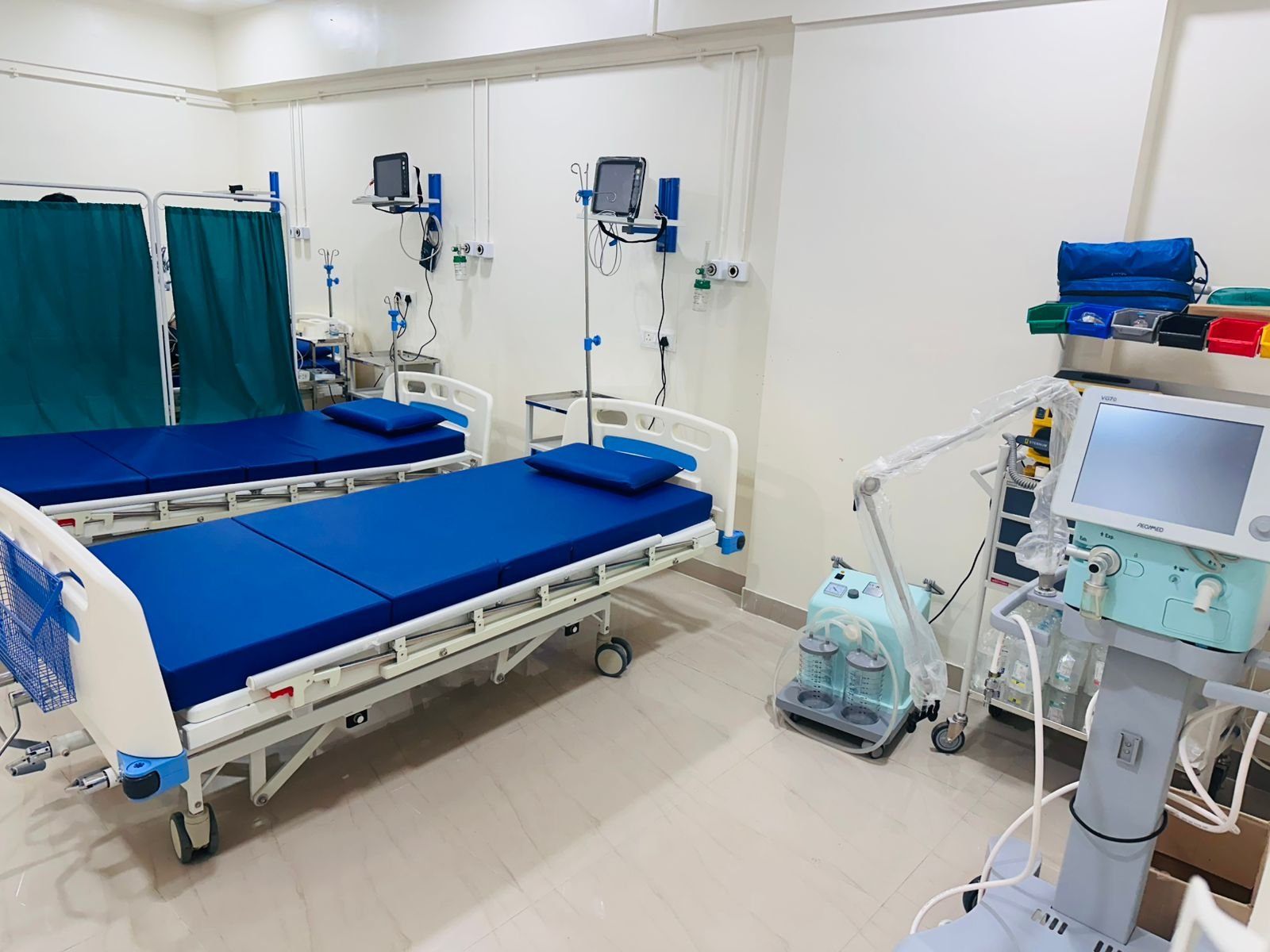

When it comes to maintaining good health, many people wait until symptoms become severe before seeking medical attention. However, regular consultations with a primary care doctor can help identify health concerns early and prevent complications. If you’re searching for the best general physician in Hadapsar, knowing the warning signs that require a doctor’s visit can protect your long-term health. Adopting Healthy Lifestyle Tips along with timely medical care ensures a healthier and more active life. Primary care physicians not only treat illnesses but also guide patients on preventive healthcare, vaccinations, routine screenings, and chronic disease management. Early diagnosis and regular health check-ups improve treatment outcomes and reduce the risk of serious complications.
Why Is It Important to Have a Primary Care Doctor?
A primary care physician is your first point of contact for most health concerns. They monitor your overall health, diagnose common illnesses, manage chronic conditions, and recommend specialist care when necessary. Having a trusted physician ensures continuity of care and helps detect health problems before they become severe. Routine visits also encourage preventive care, including blood pressure monitoring, diabetes screening, cholesterol checks, and personalized Healthy Lifestyle Tips that support long-term wellness.
What Are the 10 Signs It’s Time to Visit a Primary Care Doctor?
1. Are You Feeling Constantly Tired?
Persistent fatigue despite getting enough sleep may indicate anemia, thyroid disorders, diabetes, nutritional deficiencies, or other underlying conditions. If tiredness continues for several weeks, consult the best general physician in Hadapsar for a proper evaluation.
2. Have You Experienced Unexplained Weight Changes?
Unexpected weight loss or gain without changes in diet or physical activity could be linked to hormonal imbalances, metabolic disorders, digestive diseases, or diabetes. Early diagnosis allows for timely treatment.
3. Do You Frequently Get Headaches?
Occasional headaches are common, but recurring or severe headaches may signal high blood pressure, migraines, neurological conditions, or vision problems. A medical evaluation helps identify the underlying cause.
4. Are You Suffering from Persistent Fever or Recurrent Infections?
A fever lasting more than a few days or repeated infections could indicate bacterial, viral, or immune-related conditions that require professional treatment.
5. Are You Experiencing Shortness of Breath?
Difficulty breathing during daily activities, climbing stairs, or even at rest should never be ignored. It may indicate asthma, heart disease, respiratory infections, or other serious conditions.
6. Do You Have Ongoing Digestive Problems?
Persistent acidity, abdominal pain, constipation, diarrhea, bloating, or changes in bowel habits may indicate gastrointestinal disorders that require medical attention.
7. Are You Living with Chronic Health Conditions?
Conditions like diabetes, hypertension, thyroid disorders, or asthma require regular monitoring to prevent complications. Routine follow-ups help keep these conditions under control.
8. Have You Not Had a Health Check-Up in Over a Year?
Even if you feel healthy, annual check-ups can detect silent conditions such as high cholesterol, high blood pressure, or early diabetes before symptoms appear. Preventive healthcare remains one of the most effective Healthy Lifestyle Tips for every age group.
9. Are You Experiencing Persistent Pain?
Pain that lasts for weeks in the joints, back, muscles, or chest should be medically evaluated rather than ignored. Chronic pain often indicates an underlying condition requiring diagnosis.
10. Are You Facing Increased Stress, Anxiety, or Sleep Problems?
Mental health is equally important as physical health. Persistent stress, anxiety, depression, or insomnia can affect your immune system, heart health, and overall well-being. Primary care physicians can recommend appropriate treatment or specialist referrals.
How Can Healthy Lifestyle Tips Improve Your Overall Health?
- Eat a balanced diet rich in fruits and vegetables.
- Stay physically active for at least 30 minutes daily.
- Drink sufficient water.
- Sleep for 7–8 hours every night.
- Avoid smoking and excessive alcohol consumption.
- Manage stress through yoga, meditation, or hobbies.
- Schedule regular preventive health check-ups.
- Follow your doctor’s advice for medications and screenings.
Consistently following these habits helps improve immunity, maintain a healthy weight, and lower the risk of cardiovascular disease, diabetes, and other chronic illnesses.
When Should You Visit a General Physician Immediately?
Seek immediate medical attention if you experience:
- Severe chest pain
- Sudden shortness of breath
- High fever with confusion
- Sudden weakness or numbness
- Persistent vomiting
- Loss of consciousness
- Severe abdominal pain
Prompt medical evaluation can prevent life-threatening complications.
Why Choose a Multispeciality Hospital for Primary Care?
Receiving treatment at a Multispeciality Hospital in Hadapsar offers access to multiple medical specialties under one roof. If additional investigations or specialist consultations are needed, coordinated care becomes easier and faster. This integrated approach ensures comprehensive diagnosis, effective treatment, and better patient outcomes.
Frequently Asked Questions (FAQs)
1. How often should I visit a general physician?
Healthy adults should have a routine health check-up at least once a year. Individuals with chronic diseases may require more frequent visits.
2. Can a general physician treat multiple health conditions?
Yes. General physicians diagnose and manage a wide range of illnesses, including infections, diabetes, hypertension, thyroid disorders, and digestive problems.
3. What tests may be recommended during a routine check-up?
Common tests include blood sugar, cholesterol, complete blood count (CBC), thyroid profile, liver and kidney function tests, urine analysis, and blood pressure monitoring.
4. What should I bring to my appointment?
Carry previous medical records, current medications, laboratory reports, and a list of symptoms or concerns.
5. Why shouldn’t I ignore persistent symptoms?
Many serious conditions begin with mild symptoms. Early medical evaluation allows timely diagnosis and improves treatment success.
Final Thoughts
Your health deserves attention before symptoms become serious. Recognizing early warning signs and consulting the best general physician in Hadapsar can help prevent long-term complications and improve your quality of life. Along with regular health check-ups, following Healthy Lifestyle Tips such as balanced nutrition, regular exercise, adequate sleep, and stress management can significantly enhance your overall well-being. Never ignore persistent symptoms—early intervention is always the best approach.
Connect With Us
Ekanshi Hospital
Address:
Orchard Avenue, Situated at S. N. 35, Hissa No. 4/2, and S. N. 65 Hissa No. 1, K / 2, Handewadi Road, Hadapsar, Pune – 411028
Phone: +91 89754 41840
Email: ekanshihospitalllp@gmail.com