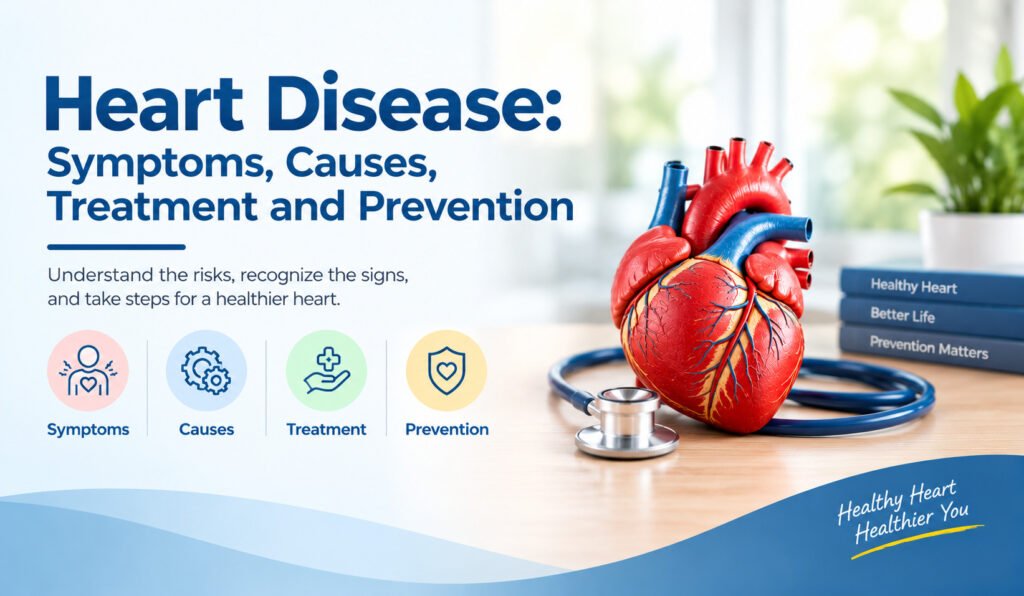
Heart disease is one of the major health concerns affecting people across different age groups. It includes several conditions that affect the heart and blood vessels, such as coronary artery disease, heart rhythm disorders, and heart failure. Understanding the early warning signs, common causes, and available treatment options can help people take better care of their heart health.
Many heart conditions develop gradually and may not cause noticeable symptoms in the early stages. Factors such as high blood pressure, diabetes, high cholesterol, smoking, and a sedentary lifestyle can increase the risk of cardiovascular problems. The good news is that early diagnosis, appropriate medical care, and healthy lifestyle changes can help reduce risks and manage many heart conditions.
If you are concerned about your heart health, learning about the symptoms and treatment options is an important first step.
What Is Heart Disease?
Heart disease is a general term used to describe conditions that affect the structure or function of the heart. One common type is coronary artery disease, which occurs when the blood vessels supplying the heart become narrowed or blocked due to plaque buildup.
Other types include heart valve disease, heart rhythm disorders (arrhythmias), and heart failure. Each condition may have different symptoms and require a specific treatment approach.
Regular health check-ups can help identify risk factors before they lead to serious complications. People with diabetes, high blood pressure, high cholesterol, or a family history of heart disease should pay particular attention to their cardiovascular health.
Common Symptoms of Heart Disease
The symptoms of heart disease can vary depending on the condition and its severity. Some people experience noticeable warning signs, while others may have few or no symptoms until a serious problem develops.
Common symptoms include:
- Chest pain or discomfort: Pressure, tightness, heaviness, or pain in the chest.
- Shortness of breath: Difficulty breathing during activity or sometimes while resting.
- Unusual fatigue: Feeling excessively tired during everyday activities.
- Irregular heartbeat: A racing, pounding, or fluttering sensation in the chest.
- Dizziness or fainting: Feeling lightheaded or suddenly losing consciousness.
- Swelling in the legs or ankles: Fluid buildup that may occur with certain heart conditions.
- Pain in other areas: Discomfort that may spread to the arms, back, neck, jaw, or upper abdomen.
When Should You Seek Medical Help?
Do not ignore persistent or unexplained symptoms. Seek medical advice if you experience unusual chest discomfort, breathlessness, or repeated episodes of dizziness.
Important: Sudden chest pain or pressure, severe shortness of breath, cold sweating, or pain spreading to the arm, jaw, or back may indicate a heart attack. Call your local emergency service immediately. Do not wait for symptoms to disappear.
What Causes Heart Disease?
Heart disease can develop due to a combination of medical conditions, lifestyle habits, age, and inherited risk factors. Understanding these factors can help you make informed decisions about prevention.
1. High Blood Pressure
High blood pressure makes the heart work harder to pump blood. Over time, it can damage blood vessels and increase the risk of coronary artery disease, heart failure, and stroke.
2. High Cholesterol
Excess LDL cholesterol can contribute to plaque buildup inside the arteries. This can restrict blood flow and increase the risk of heart attack and other cardiovascular complications.
3. Diabetes
High blood sugar can damage blood vessels and affect the nerves that help regulate heart function. People with diabetes may have a higher risk of developing cardiovascular disease.
4. Smoking and Tobacco Use
Smoking damages blood vessels, reduces oxygen delivery, and increases the likelihood of blood clots. Quitting tobacco is one of the most important steps towards better heart health.
5. Unhealthy Eating Habits
A diet high in salt, saturated fats, trans fats, and added sugar can contribute to high blood pressure, unhealthy cholesterol levels, and weight gain.
6. Physical Inactivity
A lack of regular physical activity can increase the risk of obesity, diabetes, and high blood pressure. These conditions can place additional strain on the cardiovascular system.
7. Obesity and Excess Weight
Excess body weight can increase the risk of several conditions linked to heart disease, including diabetes, high cholesterol, and hypertension.
8. Family History and Age
Having close relatives with heart disease may increase your risk. The likelihood of developing certain heart conditions also rises with age, although heart problems can affect younger adults too.
How Is Heart Disease Diagnosed?
Early diagnosis helps doctors identify the underlying problem and recommend appropriate care. The tests required depend on the patient’s symptoms, medical history, examination findings, and risk factors.
Common diagnostic methods include:
- Physical examination: Reviewing symptoms, blood pressure, pulse, and medical history.
- Blood tests: Checking cholesterol, blood sugar, and other relevant markers.
- Electrocardiogram (ECG): Recording the electrical activity of the heart to identify certain rhythm abnormalities or signs of heart damage.
- Echocardiogram: Using ultrasound to assess the heart’s structure and pumping function.
- Additional cardiac tests: Depending on the clinical situation, a doctor may recommend a stress test, coronary CT scan, or angiography.
Not every patient needs all these tests. A qualified doctor determines the most suitable investigations based on individual needs.
Heart Disease Treatment Options
Heart disease treatment depends on the type of condition, its severity, and the patient’s overall health. The primary goals are to manage symptoms, improve heart function where possible, reduce complications, and support a better quality of life.
1. Medications
Doctors may prescribe medicines to control blood pressure, manage cholesterol, regulate heart rhythm, reduce fluid buildup, or lower the risk of blood clots. The choice of medication depends on the diagnosis.
Always take medicines as prescribed. Do not start, stop, or change a dose without consulting your doctor.
2. Lifestyle Changes
Healthy lifestyle habits play an important role in preventing and managing many cardiovascular conditions. Patients may benefit from a balanced diet, regular physical activity suited to their health, maintaining a healthy weight, avoiding tobacco, and managing stress.
Lifestyle changes should complement medical treatment rather than replace prescribed care.
3. Angioplasty and Stent Placement
For certain patients with narrowed coronary arteries, angioplasty may be recommended to improve blood flow. A stent may be placed to help keep the treated artery open. The procedure is appropriate only for selected conditions and patients.
4. Heart Surgery
Some serious heart conditions may require surgery, such as coronary artery bypass grafting or heart valve repair or replacement. The decision depends on the specific diagnosis and the results of medical evaluation.
5. Regular Monitoring and Follow-Up
Follow-up appointments help doctors monitor blood pressure, cholesterol, symptoms, and response to treatment. Consistent care can also help identify changes that require further evaluation.
For more information about available care, visit the Heart Disease Treatment in Handewadi, Hadapsar page at Ekanshi Hospital.
How to Prevent Heart Disease
Although not all heart conditions can be prevented, several practical steps can help reduce cardiovascular risk.
Eat a Heart-Healthy Diet
Include vegetables, fruits, whole grains, beans, nuts, and suitable sources of lean protein in your meals. Limit excess salt, sugary drinks, highly processed foods, and foods high in unhealthy fats.
Stay Physically Active
Regular physical activity supports heart health, blood pressure control, and weight management. Many adults can aim for around 150 minutes of moderate-intensity activity per week, provided it is suitable for their health. Ask your doctor before starting strenuous exercise if you have symptoms or an existing heart condition.
Monitor Blood Pressure and Cholesterol
High blood pressure and high cholesterol may not cause obvious symptoms. Regular screening can help detect these problems early and guide treatment.
Manage Diabetes
If you have diabetes, follow your recommended treatment plan and monitor blood sugar as advised. Good diabetes management can help reduce the risk of cardiovascular complications.
Avoid Smoking
Avoid tobacco products and seek support if you need help quitting. Also, avoid exposure to secondhand smoke whenever possible.
Maintain a Healthy Weight
A balanced diet and consistent physical activity can help maintain a weight that supports your overall health.
Prioritise Sleep and Stress Management
Aim for regular, sufficient sleep and use healthy ways to manage stress, such as walking, relaxation exercises, or spending time with family and friends.
Schedule Regular Health Check-Ups
Routine medical check-ups are especially important if you have risk factors such as diabetes, hypertension, high cholesterol, or a family history of heart disease.
Who Is at Higher Risk of Heart Disease?
Some people may need closer monitoring because of their medical history or lifestyle. Risk factors include:
- High blood pressure or high cholesterol
- Diabetes
- Smoking or tobacco use
- Obesity and physical inactivity
- A family history of cardiovascular disease
- Increasing age
- Previous cardiovascular problems
Having one or more risk factors does not mean that you will definitely develop heart disease. However, discussing them with a healthcare professional can help you understand your personal risk and take appropriate preventive measures.
Why Early Heart Care Matters
Early attention to heart health can help identify problems before they become more serious. Recognising warning signs, controlling existing medical conditions, and following an appropriate treatment plan can reduce the risk of complications.
At Ekanshi Hospital, patients can learn more about available healthcare services and consultation options through the official Ekanshi Hospital website. For individual concerns about heart disease, seek a medical assessment to determine the most appropriate next steps.
Frequently Asked Questions About Heart Disease
1. What are the early warning signs of heart disease?
Early signs may include chest discomfort, shortness of breath, unusual fatigue, palpitations, or dizziness. Some people have no noticeable symptoms, so regular health screening is important when risk factors are present.
2. What is the most common cause of heart disease?
Coronary artery disease is a common form of heart disease. It often develops when plaque accumulates in the coronary arteries. High cholesterol, smoking, diabetes, and high blood pressure can contribute to the process.
3. Can heart disease be prevented?
Many cardiovascular risks can be reduced through healthy eating, regular activity, avoiding tobacco, controlling blood pressure and cholesterol, managing diabetes, and attending recommended health check-ups. However, not every heart condition is preventable.
4. Which tests help diagnose heart disease?
Depending on symptoms and medical history, doctors may recommend blood tests, ECG, echocardiography, stress testing, or other cardiac investigations. The appropriate tests vary from person to person.
5. Can young adults develop heart disease?
Yes. Although some heart conditions become more common with age, young adults can also develop heart problems due to inherited conditions, congenital abnormalities, lifestyle factors, or other medical causes.
6. When should I consult a doctor for heart-related symptoms?
Consult a doctor for persistent or unexplained chest discomfort, breathlessness, palpitations, or dizziness. Sudden chest pain, severe breathing difficulty, or symptoms suggestive of a heart attack require immediate emergency care.
Conclusion
Heart disease can affect many aspects of health, but understanding its symptoms, causes, treatment options, and risk factors can help you take informed steps towards prevention and care. A heart-healthy lifestyle, regular medical check-ups, and timely attention to warning signs are important for long-term cardiovascular health.
If you have concerns about your heart health or need guidance about possible symptoms, visit Ekanshi Hospital to learn about its healthcare services. You can also explore the hospital’s heart disease treatment services in Handewadi, Hadapsar for more information.
Medical disclaimer: This article is for general educational purposes and does not replace professional medical advice, diagnosis, or treatment. Always consult a qualified healthcare professional for individual medical concerns.