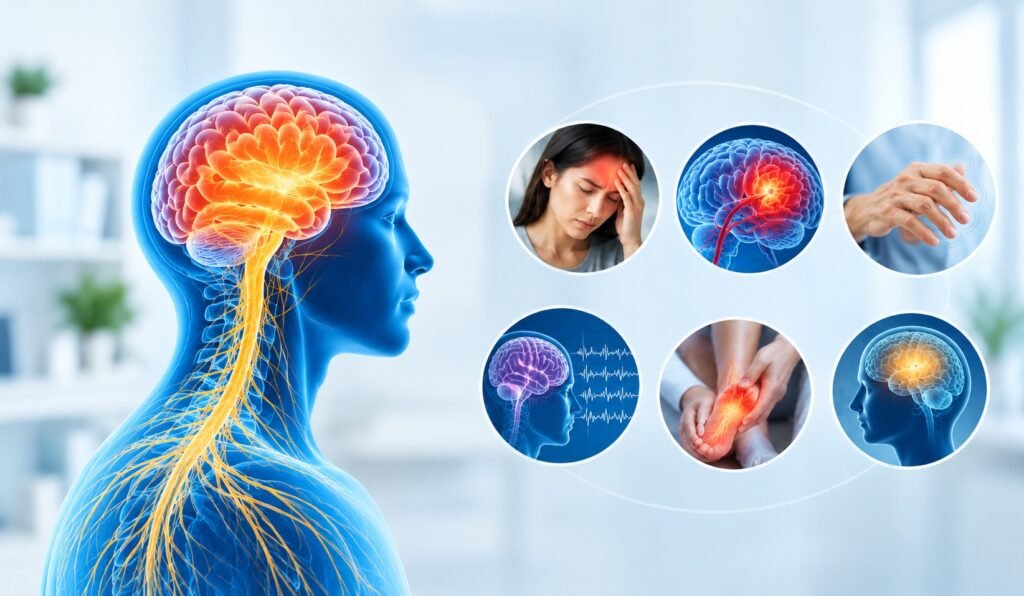
The human nervous system plays an important role in controlling movement, memory, speech, balance, emotions, and other essential body functions. It includes the brain, spinal cord, and nerves. When any part of this system is affected, it can lead to neurological disorders that may interfere with daily activities and overall quality of life.
Neurological disorders can develop suddenly or gradually over time. Some conditions cause temporary symptoms, while others require long-term medical care and regular monitoring. Understanding the common symptoms, possible causes, and available treatment options can help people recognize when to seek medical advice.
If you experience persistent headaches, unexplained numbness, dizziness, memory changes, or difficulty with movement, consulting a healthcare professional can help identify the underlying cause.
What Are Neurological Disorders?
Neurological disorders are medical conditions that affect the brain, spinal cord, or peripheral nerves. These structures work together to help the body move, process information, feel sensations, and coordinate different functions.
Some neurological conditions develop because of genetic factors, infections, injuries, or problems with blood circulation. Others may be associated with ageing, metabolic conditions, or changes in the nervous system.
The symptoms and severity depend on the specific condition and the part of the nervous system affected. Some disorders can be managed with medication and lifestyle changes, while others may require rehabilitation or specialized treatment.
Common Types of Neurological Disorders
Several conditions can affect the nervous system. Understanding these conditions can help patients recognize symptoms and seek appropriate medical evaluation.
1. Migraine and Chronic Headaches
Migraine is a neurological condition that can cause recurring headaches, often accompanied by nausea, sensitivity to light, or sensitivity to sound. Some people also experience visual disturbances before a migraine episode.
Common migraine symptoms include:
- Moderate to severe headache
- Pain that may affect one side of the head
- Nausea or vomiting
- Sensitivity to light and sound
- Visual disturbances in some individuals
Treatment may include prescribed medication, identifying personal triggers, maintaining regular sleep, staying hydrated, and following a consistent daily routine.
Frequent, worsening, or unusual headaches should be evaluated by a healthcare professional.
2. Stroke
A stroke occurs when blood flow to part of the brain is interrupted or when bleeding occurs in the brain. It is a medical emergency because brain cells can be damaged quickly.
Warning signs may include:
- Sudden weakness or numbness, especially on one side of the body
- Facial drooping
- Difficulty speaking or understanding speech
- Sudden vision problems
- Loss of balance or coordination
- A sudden, severe headache
Stroke requires immediate emergency medical attention. Do not wait for symptoms to improve or attempt to manage them at home. Prompt treatment can reduce the risk of serious complications.
3. Epilepsy
Epilepsy is a neurological condition characterized by a tendency to experience recurrent seizures. Seizures occur because of abnormal electrical activity in the brain.
Possible symptoms include unusual movements, temporary confusion, staring episodes, loss of awareness, or uncontrolled shaking. Symptoms vary depending on the type of seizure.
Treatment may involve anti-seizure medication, regular follow-ups, and precautions based on the individual’s condition. Patients should take prescribed medication as directed and avoid stopping it without medical advice.
4. Parkinson’s Disease
Parkinson’s disease is a progressive neurological condition that affects movement. It is associated with changes in brain cells involved in controlling movement.
Common symptoms include:
- Tremors or shaking
- Muscle stiffness
- Slower movements
- Balance difficulties
- Changes in walking patterns
Treatment may include medication, physiotherapy, exercise guidance, and other supportive approaches. A personalized care plan can help manage symptoms and maintain independence.
5. Alzheimer’s Disease and Memory Disorders
Alzheimer’s disease is a progressive brain disorder that affects memory, thinking, and behaviour. It is one of the common causes of dementia.
Early signs may include difficulty remembering recently learned information, repeating questions, trouble finding words, or difficulty managing familiar tasks.
Not every memory problem indicates Alzheimer’s disease. Sleep difficulties, medication effects, nutritional deficiencies, and other medical conditions can also affect memory.
A medical assessment can help identify possible causes and determine whether further testing or treatment is needed.
6. Peripheral Neuropathy
Peripheral neuropathy refers to damage or dysfunction affecting nerves outside the brain and spinal cord. It can cause changes in sensation, muscle strength, and coordination.
Symptoms may include:
- Tingling in the hands or feet
- Burning or shooting pain
- Numbness
- Muscle weakness
- Reduced sensation to touch
Possible causes include diabetes, vitamin deficiencies, certain medications, infections, and nerve injuries. Treatment depends on the underlying cause and may include medication, improved management of associated conditions, and supportive therapies.
What Are the Common Symptoms of Neurological Disorders?
Neurological symptoms can differ significantly from one person to another. Some symptoms develop gradually, while others appear suddenly.
Common warning signs include:
- Persistent or recurring headaches
- Unexplained dizziness or balance problems
- Tingling, numbness, or weakness
- Tremors or involuntary movements
- Memory loss or confusion
- Difficulty speaking or swallowing
- Seizures or episodes of altered awareness
- Changes in vision
- Difficulty walking or coordinating movements
These symptoms can have several possible causes. Their presence does not automatically mean that a person has a neurological disorder. However, persistent, unexplained, or worsening symptoms should be medically evaluated.
Sudden weakness, facial drooping, speech difficulties, sudden vision loss, or other sudden neurological changes require emergency assessment.
What Causes Neurological Disorders?
Neurological disorders can develop for different reasons. In some cases, the exact cause may not be known.
Genetic Factors
Certain neurological conditions are associated with inherited genetic changes. A family history may increase the likelihood of some disorders, although it does not mean that everyone in the family will develop the condition.
Blood Circulation Problems
A blockage or bleeding affecting blood vessels in the brain can cause a stroke. Conditions such as high blood pressure and diabetes can increase the risk of vascular complications.
Infections
Certain infections can affect the brain, spinal cord, or surrounding tissues. Conditions such as meningitis and encephalitis require prompt medical evaluation and treatment.
Injuries
Head injuries and spinal cord injuries can damage structures involved in movement, sensation, memory, and coordination. The effects depend on the location and severity of the injury.
Metabolic and Nutritional Conditions
Diabetes can damage peripheral nerves over time. Certain vitamin deficiencies, including vitamin B12 deficiency, may also contribute to nerve-related symptoms.
Age-Related Changes
Some neurological conditions become more common with increasing age. However, neurological problems can affect people of different ages, and new symptoms should not automatically be attributed to ageing.
How Are Neurological Disorders Diagnosed?
Accurate diagnosis is important because different neurological conditions can cause similar symptoms. A healthcare professional generally begins by reviewing the patient’s medical history and performing a clinical examination.
Depending on the symptoms, the evaluation may include:
Medical history and physical examination: The doctor reviews symptoms, previous illnesses, medications, and family history, and may assess muscle strength, reflexes, sensation, and coordination.
MRI or CT scan: These imaging tests may help identify certain structural abnormalities, injuries, bleeding, or other changes in the brain and related structures.
EEG: An electroencephalogram records electrical activity in the brain and may be recommended when seizures or epilepsy are suspected.
EMG and nerve conduction studies: These tests can help evaluate the function of muscles and peripheral nerves.
Blood tests: Depending on the suspected cause, blood tests may help identify metabolic problems, nutritional deficiencies, infections, or other contributing conditions.
Not every patient needs every test. The appropriate investigations depend on the symptoms, clinical findings, and suspected diagnosis.
Treatment Options for Neurological Disorders
Neurological treatment depends on the condition, its severity, and the patient’s overall health. The aim may be to control symptoms, treat the underlying cause, prevent complications, or support recovery.
Medication
Prescribed medicines may help control seizures, manage migraine, reduce certain types of nerve pain, or improve symptoms associated with specific neurological conditions.
Physiotherapy and Rehabilitation
Rehabilitation may help patients improve movement, balance, strength, and independence. It can be particularly important for some patients recovering from a stroke or injury.
Speech and Occupational Therapy
Some neurological conditions affect speech, swallowing, or the ability to perform daily tasks. Appropriate therapy can support communication, safety, and everyday functioning.
Lifestyle Management
Depending on the condition, healthy habits may support overall well-being. These can include regular physical activity as advised by a healthcare professional, adequate sleep, a balanced diet, avoiding tobacco, and managing conditions such as diabetes and high blood pressure.
Lifestyle changes should complement, rather than replace, necessary medical treatment.
Regular Monitoring
Long-term neurological conditions may require follow-up appointments to review symptoms, assess treatment response, and adjust the care plan when necessary.
When Should You Consult a Neurology Specialist?
Consider seeking medical advice if you experience persistent headaches, unexplained numbness, recurring dizziness, tremors, memory changes, or difficulties with walking and coordination.
A medical professional can assess your symptoms and determine whether neurological evaluation or further investigations are needed.
Seek emergency care immediately if you notice sudden facial drooping, weakness on one side of the body, difficulty speaking, sudden vision changes, a seizure lasting five minutes or longer, repeated seizures without recovery, or a sudden severe headache. Do not delay emergency care while arranging a routine appointment.
Neurology Care at Ekanshi Hospital
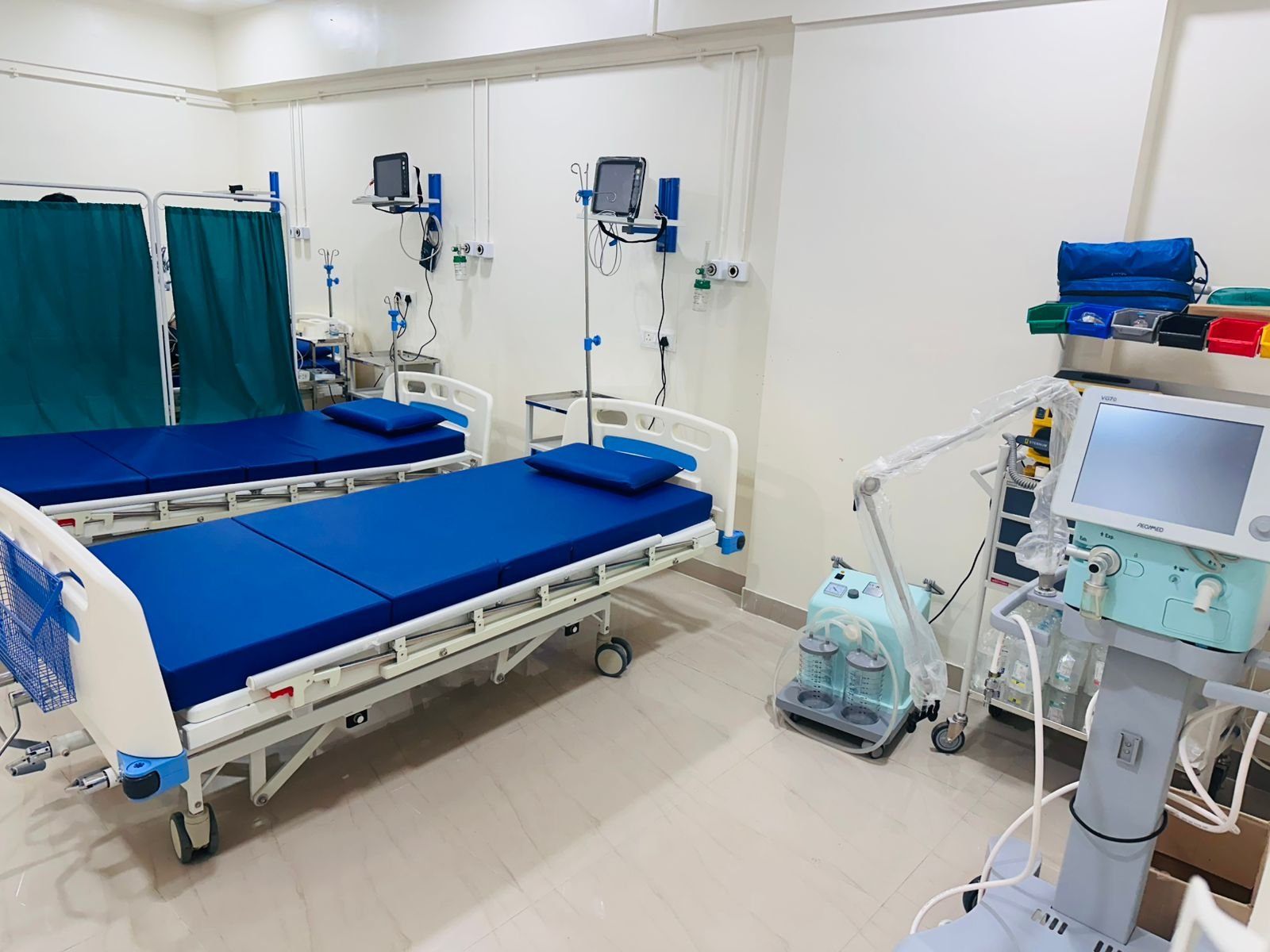
Ekanshi Multispeciality Hospital provides neurology-related evaluation and care for conditions affecting the brain, spinal cord, and nerves. Its neurology services include assessment and management of conditions such as migraine, stroke, epilepsy, Parkinson’s disease, Alzheimer’s disease, and neuromuscular disorders.
Patients may require different investigations and treatment approaches depending on their symptoms and medical history. Timely assessment can help determine the next steps and whether additional specialist care is needed.
Learn more about the hospital’s services on the Neurology Treatment in Handewadi, Hadapsar page.
For appointments or further information, contact Ekanshi Hospital at +91 89754 41840.
Frequently Asked Questions
1. What are the most common neurological disorders?
Common neurological conditions include migraine, stroke, epilepsy, Parkinson’s disease, Alzheimer’s disease, and peripheral neuropathy. Symptoms and treatment vary depending on the condition.
2. What are the early warning signs of neurological problems?
Early signs may include recurring headaches, unexplained numbness, tingling, tremors, memory changes, balance problems, or difficulty coordinating movements. Sudden neurological symptoms require emergency attention.
3. Can neurological disorders be treated?
Many neurological conditions can be managed with appropriate medication, rehabilitation, lifestyle guidance, or treatment of the underlying cause. Outcomes depend on the condition and individual circumstances.
4. Which tests are used to diagnose neurological disorders?
Depending on the symptoms, a doctor may recommend MRI, CT scans, EEG, EMG, nerve conduction studies, blood tests, or other investigations.
5. When should I seek emergency care for neurological symptoms?
Sudden facial drooping, one-sided weakness, difficulty speaking, sudden vision loss, or other sudden neurological changes may indicate a medical emergency. Seek emergency care immediately.
6. Can lifestyle changes help maintain neurological health?
Healthy habits such as regular exercise, adequate sleep, balanced nutrition, avoiding tobacco, and managing blood pressure and blood sugar can support overall health. They cannot prevent every neurological disorder, so medical advice remains important when symptoms occur.
Conclusion
Neurological disorders can affect movement, memory, sensation, speech, and everyday activities. Recognizing the warning signs and understanding the possible causes can help people seek medical advice at the right time.
Because similar symptoms can occur in different conditions, an accurate diagnosis is essential before choosing treatment. Medication, rehabilitation, lifestyle guidance, and regular monitoring may all have a role in neurological care.
If you or a family member experiences persistent or unexplained neurological symptoms, consult a healthcare professional for an appropriate evaluation. For neurological evaluation and care in Hadapsar, Pune, you can learn more about the services offered by Ekanshi Hospital and contact the hospital for further information.