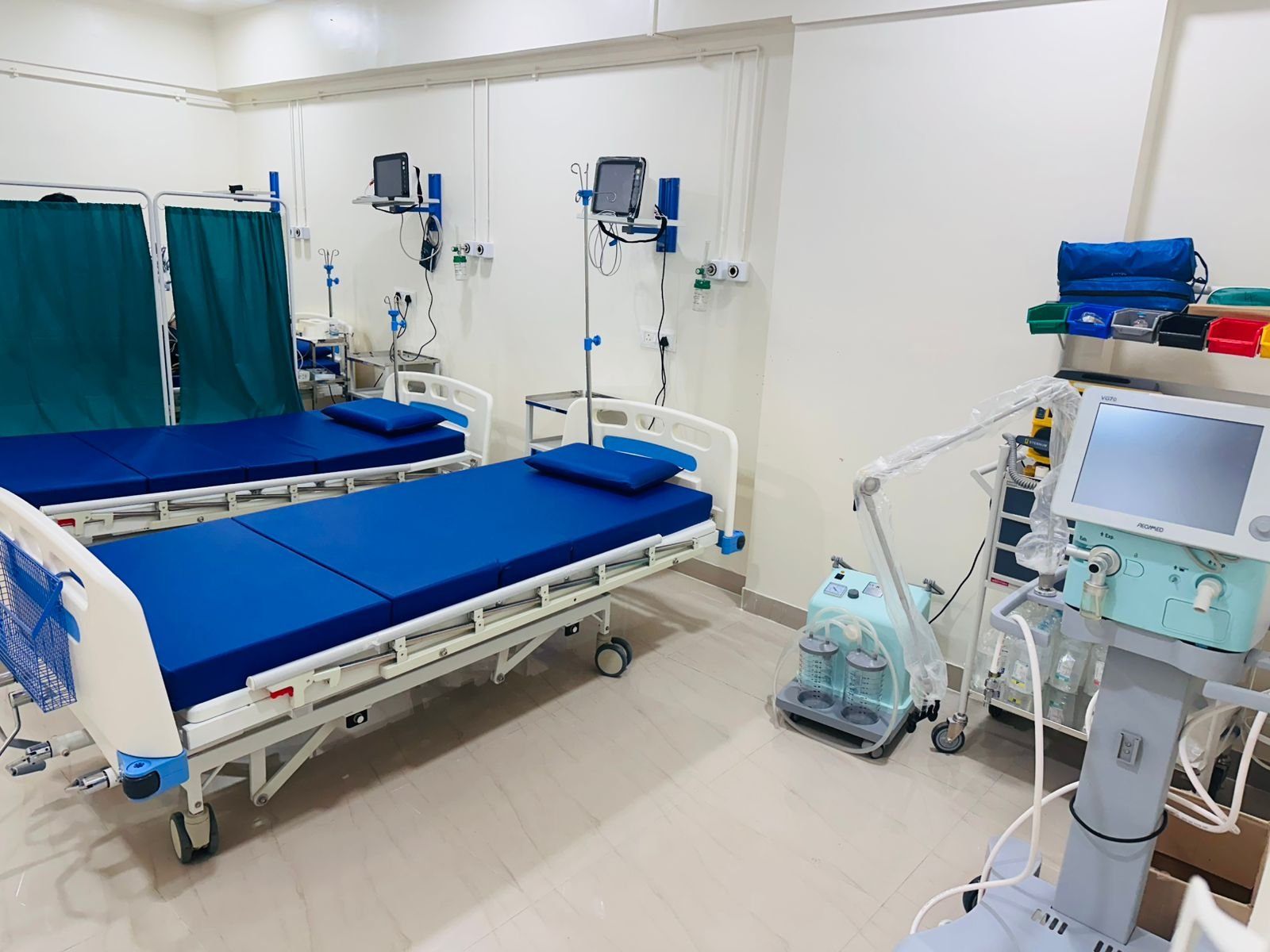

Heart health is one of the most important aspects of overall well-being, and choosing the right cardiologist can make a significant difference in preventing, diagnosing, and treating heart-related conditions. If you are searching for the Best Cardiologist in Hadapsar, it is essential to consider several factors before making your decision. An experienced heart specialist not only provides accurate diagnosis but also creates a personalized treatment plan that helps improve your quality of life.
If you are looking for the Best Cardiologist, selecting a doctor with extensive expertise, modern diagnostic facilities, and a patient-centered approach is crucial. Whether you need preventive consultations, emergency cardiac care, or long-term management, the right cardiologist ensures comprehensive Heart Care tailored to your needs.
Why Choosing the Right Cardiologist Matters
Your heart works continuously to keep your body functioning properly. Even minor symptoms such as chest discomfort, irregular heartbeat, fatigue, or breathlessness can indicate underlying heart problems. A qualified cardiologist can identify these issues early and recommend effective treatment before they become severe.
Choosing the right heart specialist helps in:
- Early diagnosis of cardiovascular diseases
- Personalized treatment plans
- Preventive cardiac care
- Better management of chronic heart conditions
- Reduced risk of heart attacks and strokes
What Qualifications Should a Cardiologist Have?
One of the first things to verify is the doctor’s qualifications. A qualified cardiologist should have:
- MBBS and MD in Internal Medicine
- DM or DNB in Cardiology (or equivalent specialization)
- Experience in diagnosing and managing complex cardiac conditions
- Continuous medical education and updated knowledge
How Important Is Experience in Heart Care?
Experience plays a vital role in successful cardiac treatment. Cardiologists who have managed a wide variety of heart conditions are often better equipped to handle complex cases.
An experienced specialist can effectively diagnose and treat:
- Coronary artery disease
- High blood pressure
- Heart failure
- Arrhythmias
- Valve disorders
- Congenital heart diseases
- Preventive cardiology
Look for Advanced Diagnostic Facilities
Modern technology significantly improves the accuracy of cardiac diagnosis.
Choose a hospital or clinic that offers:
- ECG
- 2D Echo
- TMT (Stress Test)
- Holter Monitoring
- Blood Pressure Monitoring
- Cardiac Risk Assessment
- Laboratory Investigations
Advanced diagnostic equipment enables faster detection and more precise treatment planning.
Personalized Treatment Is Essential
Every patient has different health concerns, medical history, and lifestyle factors. A good cardiologist never follows a one-size-fits-all approach.
Instead, they create personalized treatment plans based on:
- Age
- Existing medical conditions
- Lifestyle habits
- Family history
- Risk factors
- Current symptoms
Importance of Preventive Cardiology
Many heart diseases develop silently over several years without obvious symptoms. Preventive cardiology focuses on reducing risk before complications occur.
Preventive strategies include:
- Regular heart screenings
- Blood pressure monitoring
- Cholesterol management
- Diabetes control
- Weight management
- Smoking cessation
- Stress reduction
- Healthy eating habits
Patient Reviews and Reputation Matter
Before choosing a cardiologist, check:
- Online patient reviews
- Success stories
- Ratings
- Recommendations from family and friends
- Hospital reputation
Positive feedback often reflects quality treatment, professional behavior, and patient satisfaction.
Communication and Patient Comfort
Heart conditions often require long-term follow-up. Therefore, it is important to choose a cardiologist who:
- Listens carefully
- Explains diagnosis clearly
- Answers all questions
- Discusses treatment options
- Provides emotional support
Good communication builds trust and helps patients actively participate in their treatment.
Comprehensive Cardiac Services Under One Roof
Choosing a healthcare center that offers complete cardiac services saves both time and effort.
These services may include:
- Cardiac consultation
- Diagnostic testing
- Preventive cardiology
- Hypertension management
- Cholesterol management
- Diabetes management
- Emergency cardiac care
- Lifestyle counseling
Lifestyle Changes That Support Heart Health
Even the best medical treatment should be combined with healthy lifestyle habits.
Experts recommend:
- Eat more fruits and vegetables
- Limit saturated fats
- Reduce salt intake
- Exercise regularly
- Maintain healthy body weight
- Control diabetes
- Avoid tobacco products
- Limit alcohol consumption
- Sleep adequately
- Manage stress effectively
These habits greatly contribute to lifelong cardiovascular wellness.
For patients diagnosed with cardiac conditions, timely treatment is equally important. Learn more about Heart Disease Treatment in Hadapsar and the treatment options available for maintaining better cardiovascular health.
Who Should Visit a Cardiologist?
You should consult a cardiologist if you experience:
- Chest pain
- Breathlessness
- High blood pressure
- High cholesterol
- Palpitations
- Dizziness
- Swelling in legs
- Family history of heart disease
- Diabetes
- Obesity
Regular heart checkups are especially recommended for individuals above 40 years of age or those with multiple cardiovascular risk factors.
Frequently Asked Questions (FAQs)
What are the signs that I should consult a cardiologist?
Common warning signs include chest pain, shortness of breath, irregular heartbeat, dizziness, swelling in the legs, and persistent high blood pressure. Early consultation helps prevent serious complications.
How often should I get my heart checked?
Healthy adults should undergo routine heart screenings every one to two years, while individuals with diabetes, hypertension, or a family history of heart disease may require more frequent evaluations.
Can lifestyle changes prevent heart disease?
Yes. Regular exercise, healthy eating, quitting smoking, stress management, maintaining an ideal weight, and controlling diabetes and blood pressure significantly reduce the risk of heart disease.
What tests does a cardiologist usually recommend?
Depending on your symptoms, a cardiologist may recommend ECG, Echocardiography, TMT, Holter Monitoring, blood investigations, and cardiac risk assessments.
Why is preventive heart care important?
Preventive Heart Care identifies risk factors early and helps reduce the chances of heart attacks, strokes, and other cardiovascular complications through timely intervention.
Final Thoughts
Choosing the right cardiologist is an important decision that directly impacts your long-term health. Look for a specialist with strong qualifications, extensive experience, advanced diagnostic facilities, excellent communication skills, and a patient-focused approach. Whether you require preventive screenings or treatment for existing heart conditions, selecting the Heart Disease Treatment in Hadapsar ensures that you receive comprehensive, compassionate, and evidence-based care.
Investing in regular Heart Care today can help you enjoy a healthier and more active future.