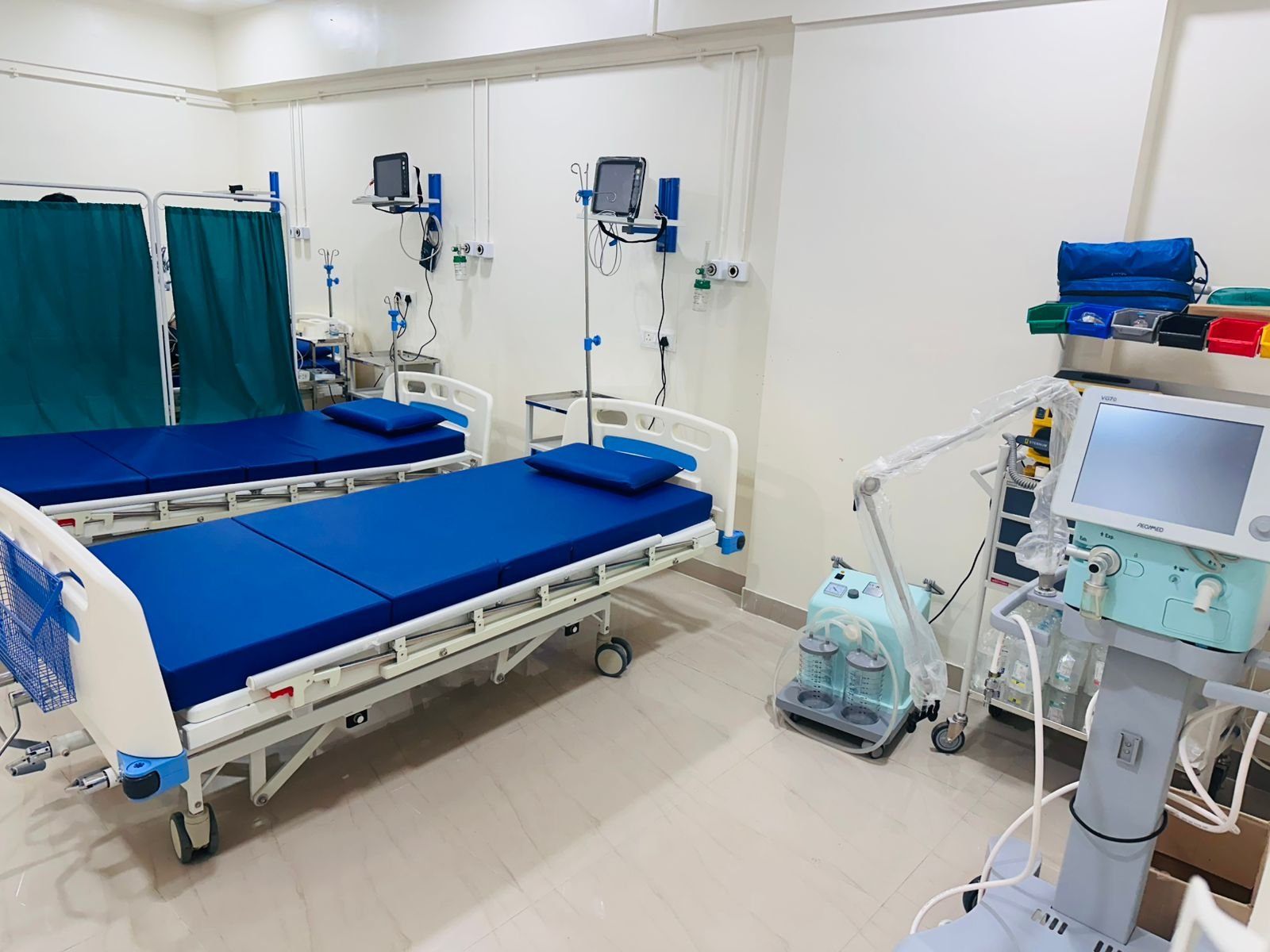

The brain, spinal cord, and nerves control almost every function of the human body, from movement and balance to memory, speech, sensation, and coordination. When something affects the nervous system, symptoms may appear gradually or suddenly. Headaches, dizziness, tingling, weakness, memory problems, seizures, or Numbness should not always be ignored, especially when they are persistent or recurring. Seeking timely medical advice can help identify the underlying cause and guide appropriate care. For people looking for reliable Neurology Treatment in Hadapsar, consulting an experienced specialist can be an important step toward better neurological health.
What Does Neurology Care Involve?
Neurology focuses on conditions affecting the brain, spinal cord, peripheral nerves, and muscles. Neurological problems can range from common headaches and nerve-related discomfort to more complex conditions such as epilepsy, stroke, Parkinson’s disease, and other disorders affecting movement, memory, or coordination.
A neurological consultation generally begins with a detailed discussion of symptoms, medical history, medications, lifestyle factors, and previous health conditions. The specialist may also perform a neurological examination to assess reflexes, muscle strength, coordination, sensation, balance, and other functions.
Based on the findings, additional investigations may be recommended. These can include imaging or specialized tests to understand whether a structural or functional problem is affecting the nervous system.
Why Should Persistent Neurological Symptoms Be Evaluated?
Some neurological symptoms may be temporary, while others can indicate an underlying condition that requires medical attention. Persistent or unexplained symptoms deserve professional evaluation rather than self-treatment.
For example, Numbness in the hands, feet, face, or other parts of the body may have different causes. It can sometimes be associated with nerve compression, metabolic conditions, nutritional deficiencies, or neurological disorders. Similarly, recurring headaches, unexplained dizziness, tremors, or changes in memory may require assessment.
Early evaluation can help a specialist understand the pattern of symptoms and determine whether further testing or treatment is necessary. It may also help patients understand what lifestyle changes, medications, therapies, or follow-up care could be appropriate for their condition.
What Neurological Conditions Can Require Specialist Care?
Neurological care may be useful for a wide range of symptoms and conditions. Depending on the patient’s medical history and examination findings, specialists may evaluate concerns such as:
- Persistent or severe headaches
- Migraine-related symptoms
- Seizures and epilepsy
- Stroke-related complications
- Memory loss and confusion
- Tremors and movement problems
- Balance and coordination difficulties
- Tingling, weakness, or Numbness
- Nerve and neuromuscular disorders
- Parkinsonian symptoms
- Problems with speech or swallowing
- Certain disorders affecting the spinal cord or peripheral nerves
The hospital’s neurology service describes evaluation and management for conditions including stroke, epilepsy, migraine, Parkinson’s disease, Alzheimer’s disease, multiple sclerosis, and neuromuscular disorders.
How Are Neurological Problems Diagnosed?
A proper diagnosis usually begins with a detailed clinical assessment. The doctor may ask when symptoms started, how frequently they occur, what makes them better or worse, and whether they are associated with other changes.
Depending on the suspected condition, diagnostic investigations may include MRI, CT scans, EEG, EMG, or nerve conduction studies. These tests can provide useful information about the brain, spinal cord, muscles, and nerves.
However, not every patient requires every test. Investigations are generally selected according to the symptoms and clinical findings. This personalized approach can help avoid unnecessary testing while ensuring important concerns are properly evaluated.
What Treatment Options May Be Considered?
Treatment depends on the specific diagnosis, severity of symptoms, age, overall health, and individual needs. Depending on the condition, care may involve prescribed medication, monitoring, rehabilitation, physiotherapy, speech therapy, cognitive support, lifestyle guidance, or other specialist interventions.
For chronic neurological conditions, regular follow-ups can be particularly important. A specialist may need to monitor symptoms, assess treatment response, and adjust the care plan when required.
For patients recovering from stroke, traumatic brain injury, or certain neuromuscular conditions, rehabilitation may form an important part of recovery. Physiotherapy, occupational therapy, and speech therapy can support improvements in movement, independence, and communication.
When Should You Consult a Neurology Specialist?
You should consider speaking with a medical professional when neurological symptoms are persistent, recurring, worsening, or interfering with everyday activities.
Symptoms that may warrant professional evaluation include sudden or persistent weakness, unexplained Numbness, severe headaches, seizures, difficulty walking, balance problems, vision changes, memory difficulties, speech problems, tremors, or problems with coordination.
Some sudden neurological symptoms can represent a medical emergency. Sudden weakness, facial drooping, difficulty speaking, sudden vision problems, or severe unexplained neurological changes should receive urgent medical attention.
Why Choose a Multispeciality Healthcare Setting?
Neurological symptoms can sometimes overlap with other health conditions. Having access to different medical specialties can make coordinated care more convenient, particularly when a patient’s symptoms require evaluation from more than one discipline.
A Multispeciality Hospital in Hadapsar can provide access to multiple areas of healthcare under one roof. Ekanshi Hospital states that it provides multidisciplinary services along with diagnostic facilities and personalized patient care.
This type of setting can be helpful when neurological concerns occur alongside conditions such as diabetes, hypertension, thyroid disorders, heart-related problems, or other chronic health issues.
How Can You Support Long-Term Brain and Nerve Health?
Professional treatment is important when symptoms occur, but everyday habits can also contribute to overall health. Maintaining a balanced diet, staying physically active according to your doctor’s advice, getting adequate sleep, managing stress, avoiding tobacco, and limiting excessive alcohol consumption can support general well-being.
People with existing medical conditions should also follow their prescribed treatment and attend recommended follow-up appointments. Regular health monitoring can be particularly useful when conditions such as diabetes or high blood pressure may influence long-term neurological health.
Frequently Asked Questions (FAQs)
What symptoms may indicate a neurological problem?
Symptoms can include persistent headaches, dizziness, seizures, weakness, Numbness, tingling, tremors, balance difficulties, memory changes, speech problems, and coordination issues.
Is Numbness always related to a neurological disorder?
No. Numbness can have several possible causes, including nerve compression, metabolic issues, nutritional deficiencies, circulation-related problems, or neurological conditions. A medical evaluation can help determine the underlying cause.
What tests may be used during neurological evaluation?
Depending on the symptoms, a specialist may recommend tests such as MRI, CT, EEG, EMG, or nerve conduction studies. The appropriate test depends on the patient’s individual clinical situation.
Can neurological conditions be managed long-term?
Many neurological conditions can be managed with an individualized care plan. Treatment may involve medication, rehabilitation, lifestyle guidance, monitoring, and regular follow-up depending on the diagnosis.
When should I seek urgent medical attention?
Sudden weakness, facial drooping, difficulty speaking, sudden loss of vision, seizures, severe confusion, or other sudden neurological changes may require urgent medical attention. Do not delay emergency evaluation when serious symptoms appear.
Final Thoughts
Brain and nerve health deserves timely attention. Symptoms such as recurring headaches, dizziness, weakness, tingling, memory changes, or Numbness can have different causes, so identifying the underlying issue is important before deciding on treatment.
If you are experiencing persistent or concerning neurological symptoms, professional evaluation can help you understand your condition and explore suitable treatment options. For individuals seeking Neurology Treatment in Hadapsar, Ekanshi Hospital provides neurological evaluation and care alongside a broader range of healthcare services.
Connect With Us
Ekanshi Hospital
Address: Orchard Avenue, Situated at S. N. 35, Hissa No. 4/2, and S. N. 65 Hissa No. 1, K / 2, Handewadi Road, Hadapsar, Pune – 411028
Phone: +91 89754 41840
Email: ekanshihospitalllp@gmail.com