Dengue Fever Symptoms, Treatment and Prevention: Complete Guide
Dengue fever is a mosquito-borne viral infection that can affect children and adults. It is mainly spread through the bite of an infected Aedes mosquito. Some people may have mild symptoms, while others can develop severe dengue and need urgent medical care.
Understanding dengue fever symptoms, knowing how dengue is diagnosed, and recognizing warning signs can help you get medical attention at the right time. Most people recover with proper supportive care, rest, fluids, and monitoring.
What Is Dengue Fever?
Dengue is a viral infection caused by the dengue virus. It is mainly transmitted through the bite of an infected Aedes mosquito.
Dengue is common in tropical and subtropical regions. Some people may not develop noticeable symptoms, while others can experience fever, headache, body pain, nausea, vomiting, and rash.
Most symptomatic cases improve within one to two weeks, but dengue can sometimes become severe. Early recognition and appropriate medical care are therefore important.
What Are the Early Symptoms of Dengue Fever?
The early symptoms of dengue can sometimes look like other viral infections. Common dengue symptoms include:
- High fever
- Severe headache
- Pain behind the eyes
- Muscle and joint pain
- Body aches
- Nausea or vomiting
- Skin rash
- Weakness and tiredness
- Swollen glands in some cases
Symptoms usually begin around 4–10 days after infection and commonly last for 2–7 days. Not everyone experiences the same symptoms.
Common Dengue Symptoms at a Glance
| Symptom |
What You May Notice |
| Fever | High temperature that may develop suddenly |
| Headache | Strong or persistent headache |
| Eye pain | Pain or discomfort behind the eyes |
| Body pain | Muscle, bone, or joint aches |
| Nausea | Feeling sick or vomiting |
| Rash | Skin rash during the illness |
| Fatigue | Weakness or unusual tiredness |
If you develop a high fever along with several of these symptoms, consult a healthcare professional for proper evaluation.
What Causes Dengue Fever?
Dengue fever is caused by the dengue virus and is mainly spread through infected Aedes mosquitoes.
There are four closely related dengue virus types. A person can get dengue more than once because infection with one type does not provide complete protection against the others.
This makes mosquito-bite prevention important even if you have had dengue in the past.
What Are the Warning Signs of Severe Dengue?
Most people recover from dengue, but some cases can progress to severe dengue.
An important point is that warning signs can appear around the time the fever goes away. Therefore, a falling fever does not always mean that the illness is completely over.
Seek immediate medical care if you notice:
- Severe abdominal pain or tenderness
- Persistent vomiting
- Bleeding from the nose or gums
- Vomiting blood
- Blood in the stool
- Rapid breathing
- Extreme weakness or tiredness
- Restlessness or irritability
- Pale or cold skin
- Excessive thirst
Severe dengue can become serious within a short time and may require hospital care.
How Is Dengue Diagnosed?
A healthcare professional may evaluate your symptoms, medical history, and possible exposure to dengue. A blood test can help confirm dengue infection.
The type of dengue test may depend on how long you have had symptoms. Your doctor may also consider other infections that can cause similar symptoms.
If you have persistent fever along with headache, body pain, nausea, vomiting, or rash, speak with a healthcare professional about whether dengue testing is appropriate.
Dengue Fever Treatment: What You Need to Know
There is currently no specific antiviral medicine that cures dengue. Treatment mainly focuses on managing symptoms, maintaining hydration, monitoring the patient’s condition, and identifying warning signs early.
For mild dengue, supportive care may include:
- Adequate rest
- Drinking plenty of fluids
- Monitoring symptoms
- Fever and pain management as advised by a healthcare professional
- Follow-up when required
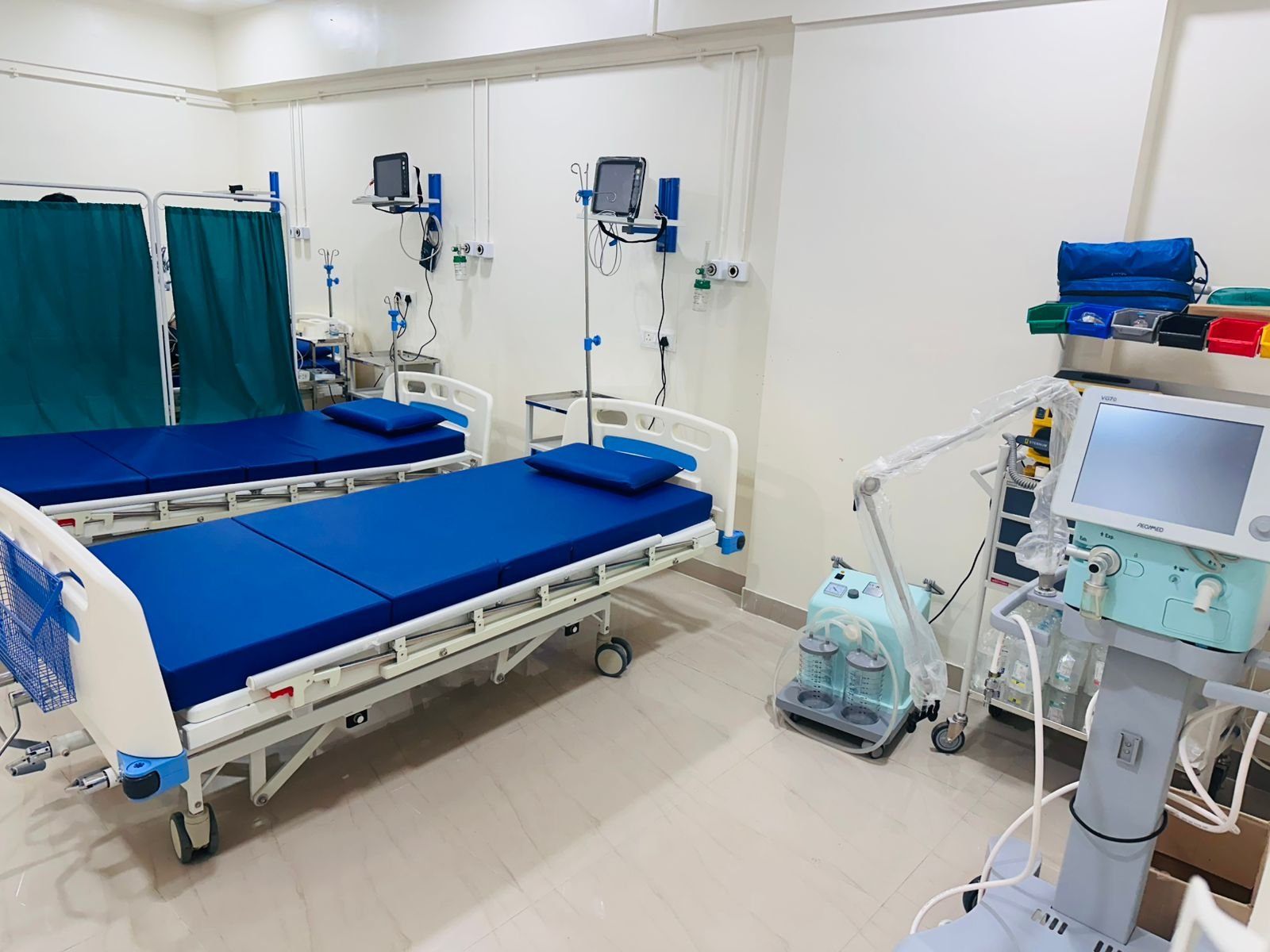
For patients looking for professional medical evaluation and care, Dengue Treatment in Handewadi, Hadapsar | Ekanshi Hospital can be considered for appropriate consultation and treatment guidance.
Paracetamol may be used for fever and pain when recommended by a healthcare professional. Aspirin and ibuprofen should generally be avoided in suspected or confirmed dengue because they can increase the risk of bleeding.
Patients with warning signs or severe dengue may require hospital-based treatment and close monitoring.
Dengue Recovery: How Long Does It Take?
Many people recover from dengue within about one to two weeks. However, weakness and tiredness may continue for several weeks after the main symptoms improve.
During recovery:
- Get enough rest
- Drink adequate fluids
- Follow your doctor’s instructions
- Attend recommended follow-up appointments
- Watch for new or worsening symptoms
Recovery can be different for every person, so follow the advice provided by your healthcare professional.
What Should You Eat and Drink During Dengue Recovery?
Staying hydrated is an important part of dengue care. Depending on your condition, your healthcare professional may recommend water or suitable fluids containing electrolytes.
Choose simple, nutritious foods that you can comfortably tolerate. If nausea or vomiting makes eating or drinking difficult, speak with your healthcare provider.
There is no single food that can cure dengue. Avoid relying on unproven food or drink claims as a replacement for medical care.
How Can Dengue Fever Be Prevented?
Preventing mosquito bites is one of the most important ways to reduce the risk of dengue.
Simple precautions include:
- Use mosquito repellent as directed
- Wear clothing that covers your arms and legs
- Use window and door screens
- Use mosquito nets when appropriate
- Remove standing water around your home
- Keep water storage containers covered
- Clean water containers regularly
- Remove items that can collect rainwater
The mosquitoes that spread dengue are active during the day, so mosquito protection should not be limited only to nighttime.
Can Dengue Spread Within a Home?
A person with dengue can pass the virus to mosquitoes that bite them while the virus is present in their blood. Those mosquitoes can then transmit dengue to other people.
If someone in your family has dengue, continue mosquito-bite prevention measures around the home. This can help reduce the chance of mosquitoes becoming infected and spreading the virus.
When Should You See a Doctor for Dengue?
If you have a high fever with symptoms that may indicate dengue, consult a healthcare professional for proper evaluation.
Seek urgent medical care if you develop:
- Severe abdominal pain
- Persistent vomiting
- Bleeding
- Blood in vomit or stool
- Rapid breathing
- Extreme weakness
- Restlessness or unusual behavior
- Symptoms that suddenly become worse
Severe dengue is a medical emergency and requires prompt medical attention.
Frequently Asked Questions About Dengue Fever
What are the first symptoms of dengue fever?
Common early symptoms include high fever, headache, pain behind the eyes, muscle and joint pain, nausea, vomiting, and rash. Symptoms can vary from person to person.
How is dengue fever treated?
There is no specific antiviral treatment for dengue. Care generally focuses on rest, hydration, symptom management, and monitoring for warning signs. Severe cases may require hospital care.
How is dengue diagnosed?
A healthcare professional may evaluate your symptoms and recommend blood testing to confirm dengue or rule out other infections.
How long does dengue fever last?
Dengue symptoms commonly last around 2–7 days, while many people recover within about one to two weeks. Fatigue can sometimes continue for longer.
What are the warning signs of severe dengue?
Warning signs include severe abdominal pain, persistent vomiting, bleeding, blood in vomit or stool, rapid breathing, extreme weakness, and restlessness. These symptoms require immediate medical attention.
What should I drink during dengue fever?
Adequate fluids are important during dengue. Water and appropriate electrolyte-containing fluids may help maintain hydration. Follow your healthcare professional’s advice based on your condition.
Can dengue happen more than once?
Yes. There are four dengue virus types, so a person can become infected more than once.
When should I go to the hospital for dengue?
Seek immediate medical care if you develop warning signs such as severe abdominal pain, persistent vomiting, bleeding, blood in vomit or stool, rapid breathing, or extreme weakness.
Can dengue symptoms become serious after the fever goes down?
Yes. Warning signs of severe dengue can appear around the time the fever goes away. A reduction in fever does not always mean that the illness is over, so continued monitoring is important.
Final Takeaway
Dengue fever can cause high fever, headache, body pain, pain behind the eyes, nausea, vomiting, and rash. Most people recover with appropriate supportive care, but some cases can become severe.
Early medical evaluation, adequate hydration, rest, and awareness of warning signs are important for proper dengue management. If symptoms become severe or warning signs appear, seek medical care immediately.
If you or a family member has symptoms that may be related to dengue, consult a healthcare professional for appropriate evaluation, testing, and treatment guidance.