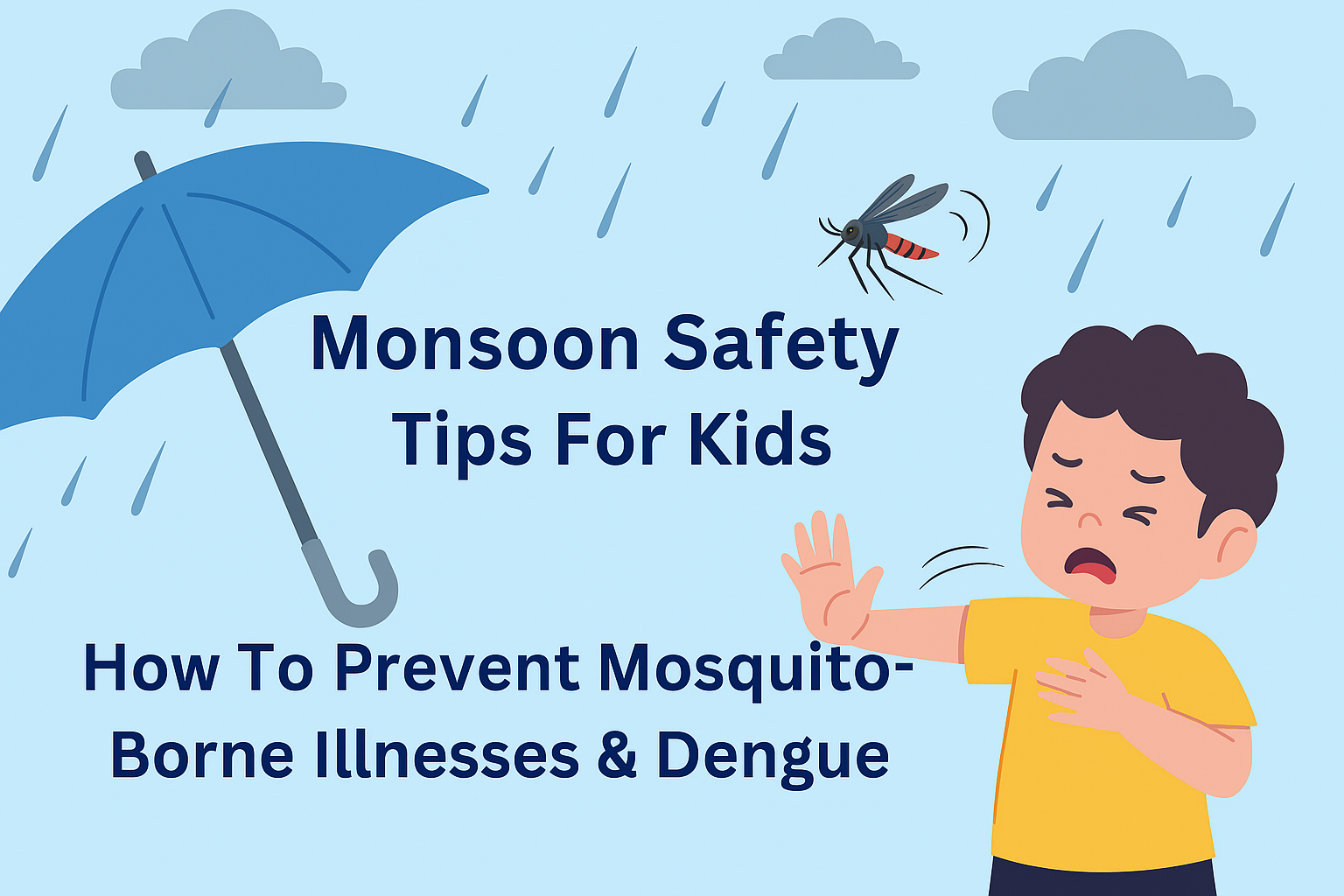
The monsoon season brings relief from the scorching heat, but it also comes with health challenges, especially for children. Waterlogging, humidity, and poor hygiene conditions create a perfect breeding ground for mosquitoes. As a result, kids become more vulnerable to infections like malaria, chikungunya, and dengue. Parents must stay alert and adopt preventive measures to keep their little ones safe and healthy during this season. If required, timely medical help such as Dengue Treatment in Hadapsar from Ekanshi Multispeciality Hospital can make a significant difference in recovery.
Why Children Are More Vulnerable in Monsoon
Children often spend time outdoors, play in stagnant water, or have weaker immunity compared to adults. These factors make them more prone to mosquito bites and related illnesses. Symptoms like fever, rashes, body pain, and vomiting should never be ignored during monsoons. Early diagnosis and treatment are crucial for a quick recovery.
Common Mosquito-Borne Illnesses in Monsoon
- Dengue
A viral infection spread by the Aedes mosquito. Symptoms include high fever, severe headache, pain behind the eyes, muscle pain, and skin rashes. If untreated, it may lead to complications.
- Malaria
Caused by the bite of infected Anopheles mosquitoes. Symptoms include chills, fever, sweating, and body pain.
- Chikungunya
Leads to high fever, joint pain, and fatigue. Though not usually fatal, it can cause long-term discomfort. Timely Chikungunya Treatment in Hadapsar ensures faster recovery and prevents complications.
Monsoon Safety Tips for Kids
Keep Surroundings Clean
Ensure no stagnant water is left around your home. Empty buckets, plant pots, and coolers regularly to prevent mosquito breeding.
Use Mosquito Protection
Apply child-safe mosquito repellents, dress kids in full-sleeve clothes, and use mosquito nets during sleep.
Maintain Hygiene
Encourage kids to wash hands frequently, avoid street food, and drink boiled or filtered water.
Boost Immunity
Include seasonal fruits, leafy vegetables, and vitamin C-rich foods in your child’s diet to strengthen their immune system.
Be Alert for Symptoms
If your child has persistent fever or unusual symptoms, consult a doctor immediately instead of self-medicating.
Where to Seek Medical Help
When searching for reliable care during seasonal illnesses, parents often look for a general physician clinic. A trusted physician can diagnose early symptoms and guide whether advanced treatment is necessary.
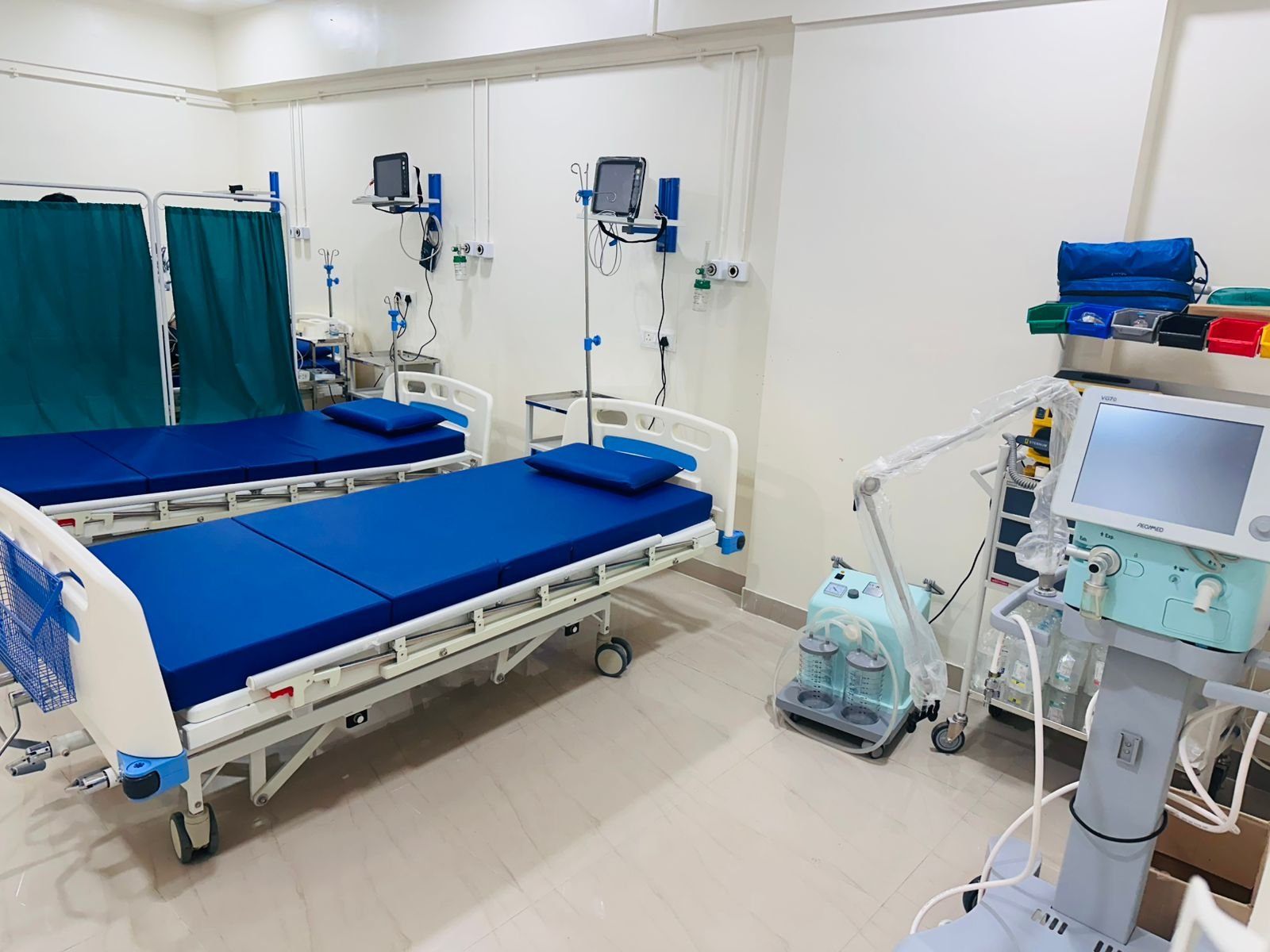
For comprehensive care, visiting a Multispeciality Hospital in Handewadi ensures access to experienced doctors, diagnostic facilities, and pediatric care under one roof. This helps in quick treatment and reduces health risks for children during the monsoon season.
Conclusion
Monsoon is a season of joy for children but also a time of health risks. Parents must stay cautious and adopt preventive measures to safeguard kids from mosquito-borne illnesses. Early consultation with a doctor, proper hygiene, and timely medical care are the keys to ensuring children stay healthy. For advanced care, whether it’s Dengue Treatment in Hadapsar or routine check-ups, Ekanshi Multispeciality Hospital is here to provide trusted healthcare for your family.
FAQs
- How can I protect my child from mosquito bites during monsoon?
Dress them in full-sleeved clothes, apply safe repellents, and ensure no stagnant water is near your home. - What are the warning signs of dengue in kids?
High fever, body pain, rashes, vomiting, and severe headache are warning signs that need urgent medical attention. - Can home remedies cure mosquito-borne illnesses?
Home remedies may provide temporary relief but consulting a doctor is essential for proper diagnosis and treatment. - When should I consult a hospital for dengue?
If your child shows symptoms of dehydration, persistent vomiting, or bleeding, immediate care at a Multispecialist Hospital is necessary. - How does a general physician help during monsoon illnesses?
Visiting a general physician clinic near me helps detect infections early, start treatment promptly, and prevent complications.