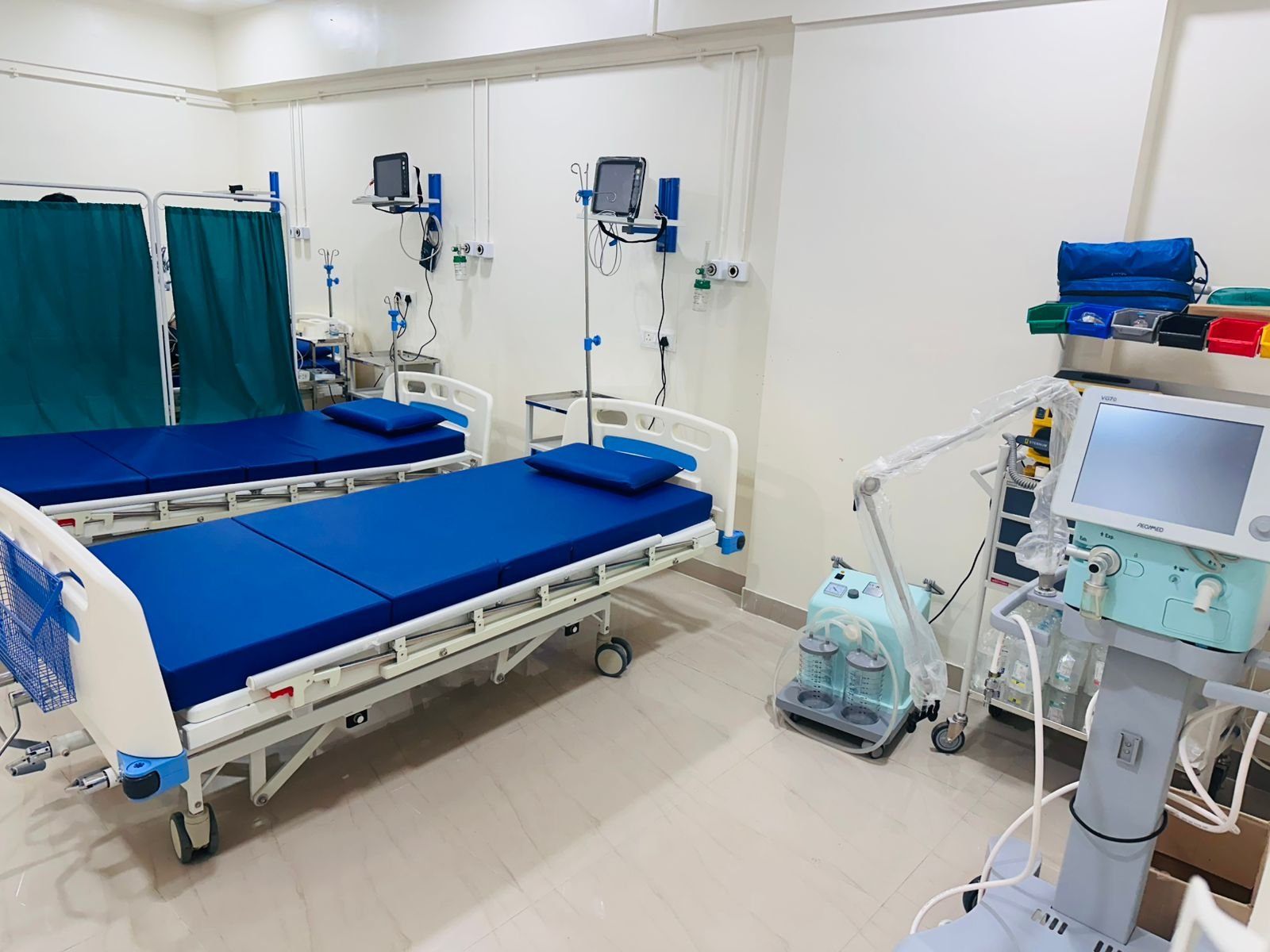
What Are The Most Effective Treatments For Heart Disease?
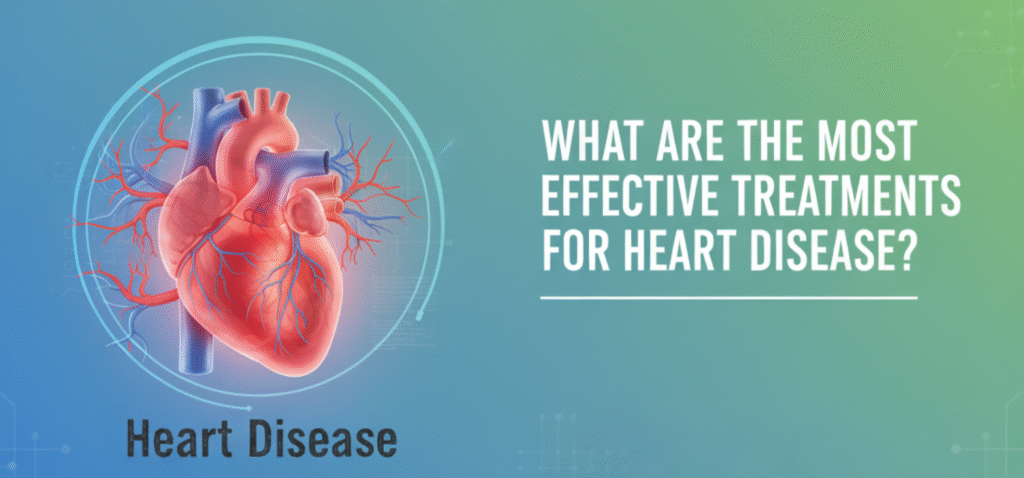
Heart disease continues to be one of the leading health concerns worldwide. However, with early diagnosis, proper medical guidance, and lifestyle changes, it can be effectively managed. If you’re searching for expert Heart Disease Treatment in Hadapsar, understanding the available options and preventive measures is the first step toward better heart health. What Causes Heart Disease? Heart disease is often caused by a buildup of fatty deposits (plaque) in the arteries, which restricts blood flow. Factors such as poor diet, smoking, stress, obesity, diabetes, and high blood pressure contribute to the condition. It’s essential to recognize these risk factors early and consult a cardiologist in Hadapsar for a detailed evaluation and personalized advice. What Are The Early Signs And Symptoms Of Heart Disease? Common symptoms include chest pain, breathlessness, fatigue, irregular heartbeat, and swelling in the legs. Sometimes, mild symptoms are ignored, which can lead to severe complications later. Visiting the Best doctor near me in Hadapsar for an early cardiac check-up can help detect underlying issues before they escalate into major heart conditions. What Are The Most Effective Treatments For Heart Disease? Treatment strategies depend on the type and severity of the condition. The most common treatment options include: Lifestyle Modifications A balanced diet, regular exercise, and quitting smoking significantly reduce heart disease risk. Consuming fiber-rich foods, maintaining healthy cholesterol levels, and controlling weight can improve heart function. Medication Management Doctors often prescribe medications like beta-blockers, statins, ACE inhibitors, or antiplatelet agents to manage blood pressure, cholesterol, and heart rhythm. These medications help prevent future complications and improve heart efficiency. Interventional Procedures In cases of blocked arteries, procedures like angioplasty or stent placement are performed to restore proper blood flow. These minimally invasive treatments are highly effective in managing coronary artery disease. Surgery For severe cases, bypass surgery or valve replacement may be recommended. These procedures improve circulation and heart performance. At Ekanshi Hospital, advanced diagnostic tools and modern facilities ensure patients receive the most effective care and accurate treatment plans tailored to their condition. What Role Does Regular Check-Up Play In Heart Disease Prevention? Regular check-ups allow doctors to monitor blood pressure, cholesterol, and heart function. Early detection of abnormalities can prevent severe cardiac issues. Even if you feel healthy, visiting your doctor for annual heart screenings is highly recommended. Why Choose Ekanshi Hospital For Heart Disease Care? Ekanshi Hospital stands out as a trusted Multispeciality Hospital in Hadapsar, offering comprehensive care under one roof. With a team of experienced cardiologists, advanced diagnostic facilities, and patient-centered treatment plans, the hospital ensures precise diagnosis, personalized care, and long-term recovery support. From preventive cardiology to post-treatment rehabilitation, Ekanshi Hospital focuses on improving both your heart and overall health. What Can You Do Today To Protect Your Heart? Maintain a balanced diet rich in fruits, vegetables, and whole grains. Exercise regularly to keep your heart strong. Manage stress through yoga and relaxation techniques. Avoid smoking and limit alcohol consumption. Monitor your blood pressure and sugar levels regularly. By making small but consistent changes, you can significantly reduce your risk of heart disease. Conclusion Heart disease can be managed effectively with the right approach. Early diagnosis, timely treatment, and lifestyle adjustments can go a long way in preventing complications. If you’re seeking expert Heart Disease Treatment in Hadapsar, visit Ekanshi Hospital — where advanced technology meets compassionate care for a healthier heart. FAQs Q1: When should I consult a cardiologist? You should visit a cardiologist if you experience chest pain, palpitations, dizziness, or unexplained fatigue. Q2: Can heart disease be reversed naturally? While complete reversal isn’t always possible, healthy lifestyle choices and proper medical guidance can significantly improve heart function. Q3: How often should I get my heart checked? Adults above 30 should have an annual heart screening, especially if they have a family history of cardiac issues. Q4: Is heart disease hereditary? Yes, genetics can play a role, but lifestyle and diet have a major influence on your heart health.
How To Manage Diabetes: Effective Treatment Strategies

Diabetes is one of the most common lifestyle disorders today, affecting millions worldwide. It requires not just medication, but also long-term lifestyle management, regular monitoring, and medical supervision. Whether you’ve recently been diagnosed or have been managing diabetes for years, understanding effective strategies can help you live a healthier life. If you’re looking for reliable and comprehensive Diabetes Treatment in Hadapsar, the right medical guidance can make all the difference. Understanding Diabetes Diabetes occurs when your body either doesn’t produce enough insulin or cannot effectively use the insulin it produces. This leads to increased blood sugar levels, which, if left unmanaged, can damage organs like the heart, kidneys, eyes, and nerves. The Two Major Types of Diabetes Type 1 Diabetes: Usually diagnosed in children or young adults, where the immune system attacks insulin-producing cells in the pancreas. Type 2 Diabetes: The most common type, often linked to lifestyle factors such as poor diet, obesity, and physical inactivity. Early Signs and Symptoms of Diabetes Recognizing the symptoms early is crucial for timely intervention: Frequent urination Excessive thirst and hunger Fatigue and weakness Blurred vision Slow-healing wounds Sudden weight loss or gain If you experience these symptoms, it’s important to consult an expert for a proper diagnosis and care plan. Effective Strategies to Manage Diabetes Maintain a Balanced Diet Your diet plays a key role in controlling blood sugar levels. Focus on whole grains, fresh vegetables, lean proteins, and fiber-rich foods. Avoid refined sugars and processed meals. Portion control and consistent meal timing are essential. Stay Physically Active Exercise helps regulate insulin levels and enhances overall health. Aim for at least 30 minutes of moderate activity daily, such as brisk walking, yoga, or cycling. Monitor Blood Sugar Regularly Frequent blood glucose monitoring helps you understand how your body responds to food and medication. It also allows your doctor to make necessary adjustments to your treatment plan. Manage Stress Effectively Stress can raise blood sugar levels and make management harder. Try meditation, deep breathing, or hobbies to keep your mind relaxed and your body balanced. Take Medications As Prescribed Never skip or change your medication without consulting your doctor. Consistency is key to preventing complications. Get Regular Check-ups Regular visits to your diabetologist ensure that your treatment is on track. If you’re searching for the best diabetologist near me, always choose an experienced specialist who provides personalized care. Role of Hospitals in Diabetes Management A well-equipped healthcare facility plays a vital role in long-term diabetes management. Choosing a Multispeciality Hospital in Hadapsar ensures you get access to endocrinologists, dietitians, and diagnostic support all in one place. This multidisciplinary approach helps in monitoring and controlling diabetes effectively, reducing the risk of complications such as heart disease or kidney problems. At Ekanshi Multispeciality Hospital, our expert team offers advanced diabetes care, lifestyle counseling, and customized treatment plans to help patients achieve stable and sustainable results. Living Well with Diabetes Managing diabetes is not about restriction; it’s about making smarter lifestyle choices. With the right diet, exercise, and medical guidance, individuals can lead full and active lives. Awareness, routine monitoring, and early medical intervention are the keys to staying healthy. Diabetes management requires a combination of medical care, healthy habits, and consistent follow-ups. From monitoring blood sugar levels to maintaining an active lifestyle, every small step contributes to better health outcomes. For expert guidance and personalized treatment, visit Ekanshi Multispeciality Hospital — your trusted destination for advanced Diabetes Treatment in Handewadi and compassionate healthcare that focuses on your long-term wellness. FAQs What are the best foods for people with diabetes? Opt for high-fiber foods like leafy greens, lentils, and whole grains. Avoid sugary snacks, fried foods, and beverages with added sugar. How often should I check my blood sugar levels? The frequency depends on your type of diabetes and treatment plan. Most patients should monitor it at least once or twice a day. Can diabetes be reversed with lifestyle changes? Type 2 diabetes can sometimes be managed or put into remission with significant changes in diet, exercise, and weight management under medical supervision. How does a multispeciality hospital help in managing diabetes? A Multispeciality Hospital in Hadapsar offers complete care — from blood tests to eye exams and nutrition advice — making diabetes management more effective and convenient.
Understanding Arthritis Treatment in Hadapsar: A Path to Better Health

Arthritis is one of the most common chronic conditions affecting millions of people worldwide. It causes joint pain, stiffness, swelling, and can significantly impact daily life if left untreated. Residents of Hadapsar and nearby areas often seek reliable care for Arthritis Treatment in Hadapsar that is both advanced and personalized. Ekanshi Multispecialist Hospital is dedicated to providing expert consultation, modern diagnostics, and comprehensive treatment to improve patients’ quality of life. What Exactly is Arthritis? Arthritis refers to a group of more than 100 different joint-related conditions. These include osteoarthritis, rheumatoid arthritis, gout, and psoriatic arthritis. While symptoms vary, common signs are: Persistent joint pain and swelling Stiffness, especially in the morning Limited flexibility or movement General fatigue and discomfort Since arthritis can worsen over time, early diagnosis by the best rheumatologist is essential to prevent long-term joint damage. Causes and Risk Factors of Arthritis Understanding the triggers of arthritis helps in tailoring effective treatment. Some common factors include: Age: Increased risk with advancing age. Genetics: Family history may raise the likelihood. Lifestyle: Sedentary habits and obesity contribute to joint stress. Autoimmune Disorders: In rheumatoid arthritis, the body attacks its own joints. Past Injuries: Previous joint damage may lead to arthritis later. At Ekanshi Multispecialist Hospital, patients undergo detailed evaluation to identify the exact type and severity of arthritis for personalized treatment. Effective Treatment Options for Arthritis Medications for Pain and Inflammation Doctors may prescribe NSAIDs, corticosteroids, or disease-modifying drugs to control pain, reduce inflammation, and slow the progression of arthritis. Physical Therapy and Exercise Targeted exercises improve mobility, reduce stiffness, and strengthen surrounding muscles. Physiotherapists design safe activity plans for each patient. Lifestyle Adjustments for Joint Health Simple changes such as maintaining a healthy diet, reducing weight, and incorporating low-impact exercises like swimming or yoga can help manage symptoms effectively. Surgical Treatments (If Needed) In advanced cases, procedures like joint replacement or arthroscopy may be recommended. Being a trusted Multispeciality Hospital in Hadapsar ensures safe, advanced surgical care under expert supervision. Why Choose Ekanshi Multispecialist Hospital for Arthritis Care? Patients prefer Ekanshi for arthritis management because: Access to the best rheumatologist State-of-the-art diagnostic facilities Personalized treatment plans tailored to patient needs Multidisciplinary approach with doctors, physiotherapists, and dietitians Focus on long-term management and improved quality of life FAQs About Arthritis What is the first step for arthritis treatment? A detailed consultation with a rheumatologist, including diagnostic tests, is the starting point. . Is surgery always necessary? No, surgery is considered only if medication and therapies do not provide sufficient relief. How do lifestyle changes help with arthritis? Healthy habits such as balanced diet, exercise, and weight management ease joint pressure and improve mobility. How often should arthritis patients see a doctor? This depends on severity. The best rheumatologist in Hadapsar may suggest regular follow-ups to monitor progress.
Monsoon Safety Tips For Kids: How To Prevent Mosquito-Borne Illnesses & Dengue
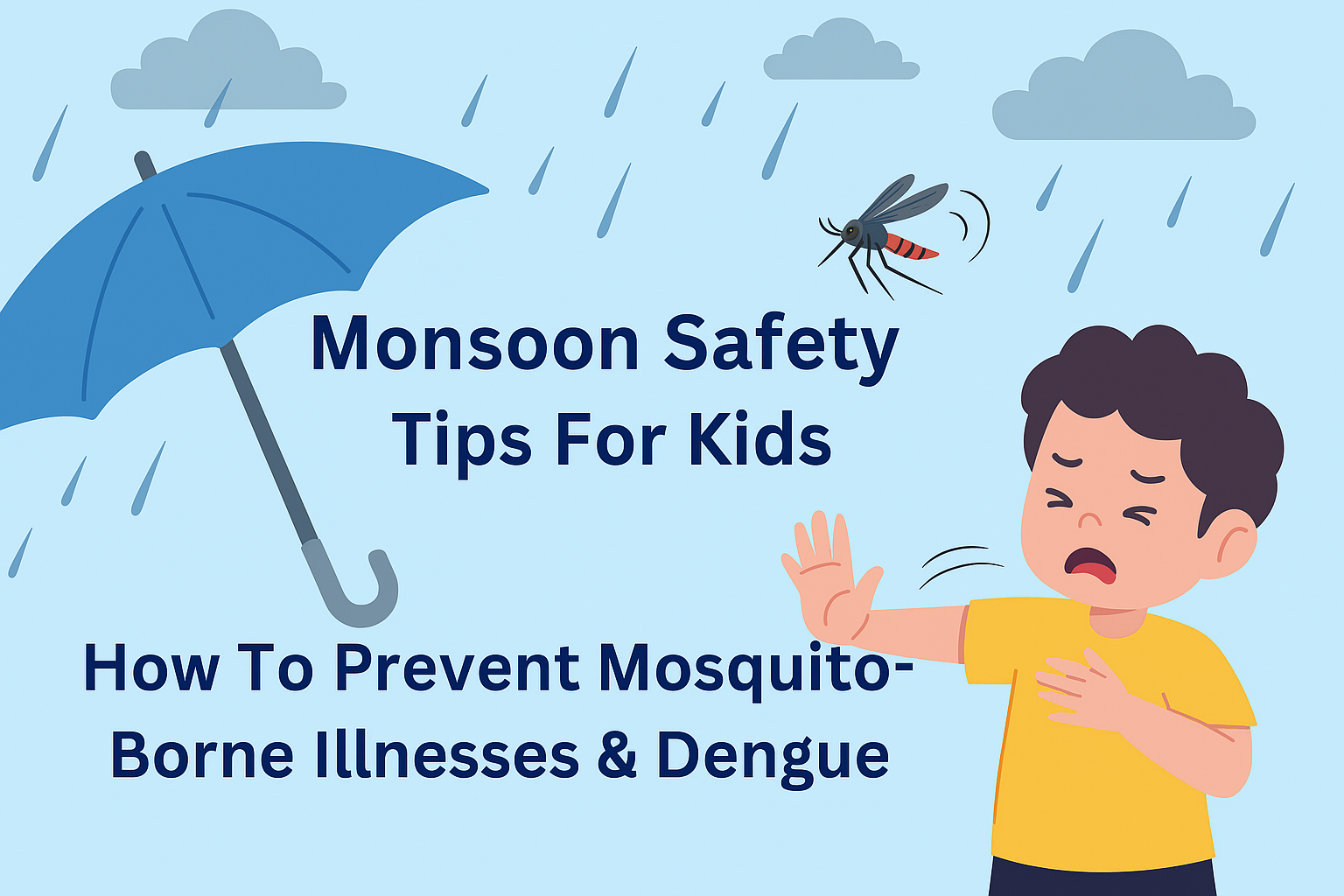
The monsoon season brings relief from the scorching heat, but it also comes with health challenges, especially for children. Waterlogging, humidity, and poor hygiene conditions create a perfect breeding ground for mosquitoes. As a result, kids become more vulnerable to infections like malaria, chikungunya, and dengue. Parents must stay alert and adopt preventive measures to keep their little ones safe and healthy during this season. If required, timely medical help such as Dengue Treatment in Hadapsar from Ekanshi Multispeciality Hospital can make a significant difference in recovery. Why Children Are More Vulnerable in Monsoon Children often spend time outdoors, play in stagnant water, or have weaker immunity compared to adults. These factors make them more prone to mosquito bites and related illnesses. Symptoms like fever, rashes, body pain, and vomiting should never be ignored during monsoons. Early diagnosis and treatment are crucial for a quick recovery. Common Mosquito-Borne Illnesses in Monsoon Dengue A viral infection spread by the Aedes mosquito. Symptoms include high fever, severe headache, pain behind the eyes, muscle pain, and skin rashes. If untreated, it may lead to complications. Malaria Caused by the bite of infected Anopheles mosquitoes. Symptoms include chills, fever, sweating, and body pain. Chikungunya Leads to high fever, joint pain, and fatigue. Though not usually fatal, it can cause long-term discomfort. Timely Chikungunya Treatment in Hadapsar ensures faster recovery and prevents complications. Monsoon Safety Tips for Kids Keep Surroundings Clean Ensure no stagnant water is left around your home. Empty buckets, plant pots, and coolers regularly to prevent mosquito breeding. Use Mosquito Protection Apply child-safe mosquito repellents, dress kids in full-sleeve clothes, and use mosquito nets during sleep. Maintain Hygiene Encourage kids to wash hands frequently, avoid street food, and drink boiled or filtered water. Boost Immunity Include seasonal fruits, leafy vegetables, and vitamin C-rich foods in your child’s diet to strengthen their immune system. Be Alert for Symptoms If your child has persistent fever or unusual symptoms, consult a doctor immediately instead of self-medicating. Where to Seek Medical Help When searching for reliable care during seasonal illnesses, parents often look for a general physician clinic. A trusted physician can diagnose early symptoms and guide whether advanced treatment is necessary. For comprehensive care, visiting a Multispeciality Hospital in Handewadi ensures access to experienced doctors, diagnostic facilities, and pediatric care under one roof. This helps in quick treatment and reduces health risks for children during the monsoon season. Conclusion Monsoon is a season of joy for children but also a time of health risks. Parents must stay cautious and adopt preventive measures to safeguard kids from mosquito-borne illnesses. Early consultation with a doctor, proper hygiene, and timely medical care are the keys to ensuring children stay healthy. For advanced care, whether it’s Dengue Treatment in Hadapsar or routine check-ups, Ekanshi Multispeciality Hospital is here to provide trusted healthcare for your family. FAQs How can I protect my child from mosquito bites during monsoon? Dress them in full-sleeved clothes, apply safe repellents, and ensure no stagnant water is near your home. What are the warning signs of dengue in kids? High fever, body pain, rashes, vomiting, and severe headache are warning signs that need urgent medical attention. Can home remedies cure mosquito-borne illnesses? Home remedies may provide temporary relief but consulting a doctor is essential for proper diagnosis and treatment. When should I consult a hospital for dengue? If your child shows symptoms of dehydration, persistent vomiting, or bleeding, immediate care at a Multispecialist Hospital is necessary. How does a general physician help during monsoon illnesses? Visiting a general physician clinic near me helps detect infections early, start treatment promptly, and prevent complications.
Stroke Awareness: Prevention, Warning Signs, and Recovery

What Is Neurology? Neurology is the branch of medicine that deals with the diagnosis and treatment of disorders of the nervous system. This complex system includes the brain, spinal cord, and nerves, which control and coordinate all body functions. Common Neurological Disorders Alzheimer’s Disease You are not allowed to do this action on the current page!! Alzheimer’s disease is a progressive neurodegenerative disorder that affects memory, thinking, and behavior. It is the most common cause of dementia in older adults. Parkinson’s Disease Parkinson’s disease is a chronic and progressive movement disorder. It involves the malfunction and death of vital nerve cells in the brain, leading to symptoms like tremors, stiffness, and balance issues. Epilepsy Epilepsy is a neurological disorder characterized by recurrent seizures. These seizures are caused by abnormal electrical activity in the brain Multiple Sclerosis (MS) Multiple sclerosis is an autoimmune disease that affects the central nervous system. It causes the immune system to attack the protective covering of nerve fibers, leading to communication problems between the brain and the rest of the body. Stroke A stroke occurs when the blood supply to part of the brain is interrupted or reduced, preventing brain tissue from getting oxygen and nutrients. It is a medical emergency that requires immediate attention. Symptoms of Neurological Disorders Symptoms vary depending on the specific disorder but can include: Persistent or sudden headache Loss of feeling or tingling Weakness or loss of muscle strength. Sudden loss of sight Memory loss Impaired mental ability Muscle rigidity Diagnosing Neurological Disorders Diagnosing neurological disorders involves a comprehensive evaluation, including: Medical History and Physical Examination: Initial assessment to understand symptoms and medical background. Neurological Examination: Tests to evaluate motor and sensory skills, hearing and speech, vision, coordination, and balance. Imaging Tests: MRI, CT scans, and PET scans to visualize the brain and spinal cord. Electrodiagnostic Tests: EEG and EMG to assess electrical activity in the brain and muscles. Laboratory Tests: Blood tests, lumbar puncture, and genetic testing to identify underlying conditions. Treatment Options for Neurological Disorders Treatment depends on the specific disorder and its severity. Common treatments include Medications Medications are used to manage symptoms and control the progression of neurological disorders. These can include antiepileptics, antipsychotics, antidepressants, and muscle relaxants Surgery In some cases, surgical intervention is necessary. Procedures like deep brain stimulation, nerve decompression, and removal of brain tumors can provide relief and improve quality of life. Physical Therapy Physical therapy helps improve mobility, strength, and coordination. It is particularly beneficial for patients with stroke, Parkinson’s disease, and multiple sclerosis. Lifestyle Modifications Adopting a healthy lifestyle can have a significant impact on managing neurological disorders. Regular exercise, a balanced diet, adequate sleep, and stress management are essential components of a treatment plan. Preventing Neurological Disorders While not all neurological disorders can be prevented, certain measures can reduce the risk: Healthy Diet: Consuming a diet rich in fruits, vegetables, lean proteins, and whole grains. Regular Exercise: Engaging in physical activities to improve cardiovascular health and maintain a healthy weight. Mental Stimulation: Keeping the brain active through learning, puzzles, and social interactions. Avoiding Substance Abuse: Limiting alcohol consumption and avoiding drugs that can damage the nervous system. Regular Check-ups: Monitoring health and managing conditions like hypertension and diabetes that can affect neurological health Conclusion Neurology is a vital field that addresses complex and debilitating disorders of the nervous system. Understanding the symptoms, diagnostic methods, and treatment options for neurological disorders can lead to early intervention and better management. Consult with healthcare professionals to develop a comprehensive care plan tailored to individual needs.
Diagnosis & Recovery: Managing Liver Abscess Effectively

What Is a Liver Abscess? A liver abscess is a pus-filled cavity in the liver caused by an infection. It can result from bacterial, parasitic, or fungal infections. Prompt diagnosis and treatment are crucial to prevent severe complications. Types of Liver Abscess Pyogenic Liver Abscess Pyogenic liver abscesses are caused by bacterial infections. They are the most common type and often result from conditions like appendicitis, biliary tract infections, or trauma to the liver. Amoebic Liver Abscess Amoebic liver abscesses are caused by the parasite Entamoeba histolytica. This type is more common in tropical and subtropical regions and is usually transmitted through contaminated food and water. Symptoms of Liver Abscess The symptoms of a liver abscess can vary but often include Fever and chills Upper right abdominal pain Nausea and vomiting Unintentional weight loss Jaundice (yellowing of the skin and eyes) Fatigue and weakness Causes of Liver Abscess Liver abscesses can result from various infections and conditions, including: Biliary tract infections (e.g., cholangitis, cholecystitis) Appendicitis Diverticulitis Liver trauma or surgery Diagnosing Liver Abscess Accurate diagnosis is essential for effective treatment. Doctors use a combination of methods to diagnose liver abscesses: • Medical History and Physical Examination: Initial assessment to identify symptoms and risk factors. • Imaging Studies: Ultrasound and CT scans are commonly used to detect abscesses in the liver. • Blood Tests: To identify signs of infection and inflammation. • Aspiration and Culture: A sample of pus from the abscess may be collected and analyzed to identify the causative organism. Treatment Options for Liver Abscess Antibiotic Therapy Antibiotics are the primary treatment for pyogenic liver abscesses. The choice of antibiotics depends on the identified bacteria and the patient’s overall health. Treatment typically lasts several weeks to ensure the infection is fully eradicated. Start Antibiotic Therapy Antibiotics are the primary treatment for pyogenic liver abscesses. The choice of antibiotics depends on the identified bacteria and the patient’s overall health. Treatment typically lasts several weeks to ensure the infection is fully eradicated. Antiparasitic Medications For amoebic liver abscesses, antiparasitic medications like metronidazole are used. These medications effectively kill the parasite responsible for the infection. Drainage Procedures In some cases, drainage of the abscess is necessary. This can be done through: Percutaneous Drainage: A minimally invasive procedure where a needle or catheter is inserted through the skin to drain the abscess. Surgical Drainage: Required in severe or complicated cases where percutaneous drainage is not possible. Preventing Liver Abscess Preventive measures focus on reducing the risk of infections that can lead to liver abscesses: Good Hygiene Practices: Regular handwashing and safe food handling to prevent parasitic infections. Vaccinations: Staying up-to-date with vaccinations, particularly for those traveling to high-risk areas. Prompt Treatment of Infections: Early treatment of infections such as appendicitis or biliary tract infections to prevent complications. Coping and Support Living with a liver abscess can be challenging, but with proper treatment and support, recovery is possible. Following the prescribed treatment plan, attending follow-up appointments, and maintaining a healthy lifestyle are crucial steps in managing the condition. Conclusion A liver abscess is a serious condition that requires prompt medical attention. Understanding the symptoms, causes, and treatment options can help in early detection and effective management. Consult with healthcare professionals for accurate diagnosis and personalized treatment plans.
Expert Thyroid Care at Ekanshi Hospital: Balancing Hormones, Restoring Health
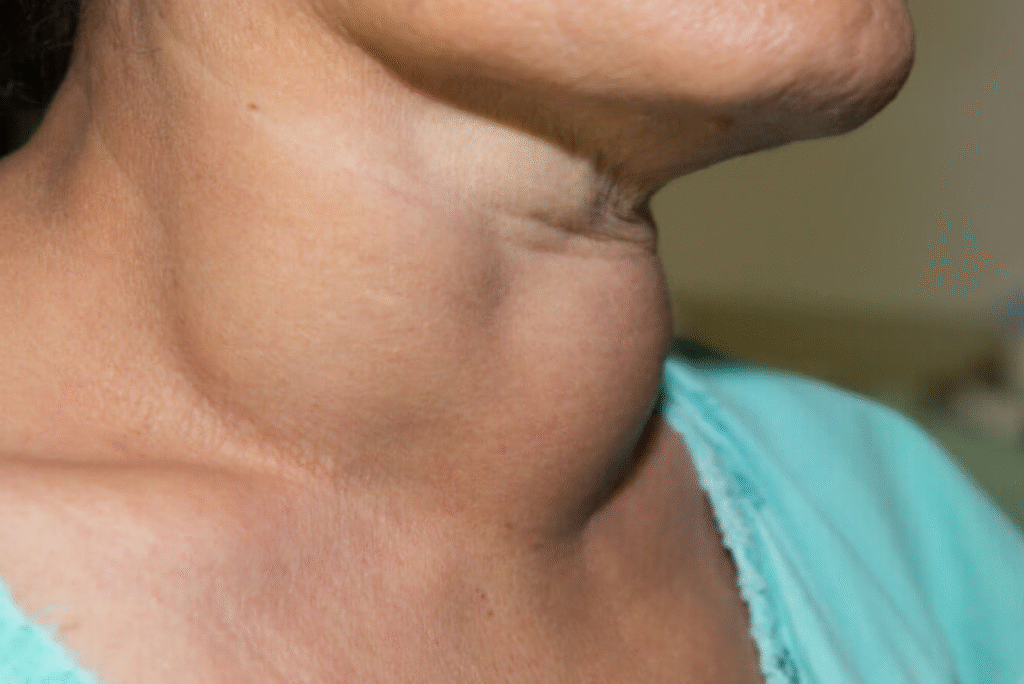
What is Thyroid Disease? Thyroid disease encompasses a range of conditions affecting the thyroid gland, a small, butterfly-shaped gland located at the base of the neck. The thyroid gland produces hormones that regulate metabolism, energy levels, and overall health. Types of Thyroid Disease Thyroid disease can manifest in various forms, primarily hypothyroidism, hyperthyroidism, and thyroid nodules or cancer. Hypothyroidism Hypothyroidism occurs when the thyroid gland does not produce enough thyroid hormones. This can lead to symptoms like fatigue, weight gain, and depression. Hyperthyroidism You, are not allowed to do this: action on the current page!! Hyperthyroidism, on the other hand, occurs when the thyroid produces too much hormone. Symptoms include weight loss, anxiety, and rapid heartbeat. Thyroid Nodules and Cancer Thyroid nodules are lumps that can form within the thyroid gland. While most are benign, some can be cancerous and require medical attention. Symptoms of Thyroid Disease The symptoms of thyroid disease can vary depending on the type and severity. Common signs include: – Fatigue – Weight changes – Mood swings – Hair loss Early detection and treatment are crucial for managing thyroid disease effectively. Causes and Risk Factors Several factors can contribute to the development of thyroid disease, including: Genetics A family history of thyroid disease increases the risk of developing similar conditions. Autoimmune Disorders Conditions like Hashimoto’s thyroiditis and Graves’ disease are autoimmune disorders that directly affect thyroid function Deficiency lodine is essential for thyroid hormone production. A deficiency can lead to thyroid problems. Radiation Exposure Exposure to radiation, especially in the neck area, can increase the risk of thyroid disease. Diagnosing Thyroid Disease Diagnosing thyroid disease typically involves blood tests to measure levels of thyroid hormones (T3 and T4) and thyroid-stimulating hormone (TSH). Imaging tests, such as ultrasound or thyroid scans, may also be used to assess the gland’s structure. Effective Management of Thyroid Disease Managing thyroid disease often involves medication, lifestyle changes, and, in some cases, surgery. Here are some key strategies: Medication Hypothyroidism is usually treated with synthetic thyroid hormone (levothyroxine) to restore normal hormone levels. Hyperthyroidism treatment may involve antithyroid medications, radioactive iodine, or beta-blockers. Healthy Diet A balanced diet supports thyroid health. Include foods rich in iodine, selenium, and zinc, such as seafood, dairy products, nuts, and seeds. Regular Exercise Exercise helps maintain a healthy metabolism and supports overall well-being. Aim for at least 30 minutes of moderate activity most days of the week. Stress Management You are not allowed to do this action on the current page!! Chronic stress can affect thyroid function. Practice stress-reducing techniques like meditation, yoga, or deep-breathing exercises. Monitoring and Follow-Up Regular monitoring of thyroid levels and follow-up appointments with your healthcare provider are essential for managing thyroid disease effectively. Adjustments to medication and lifestyle may be necessary based on test results and symptoms. Living Well with Thyroid Disease Living with thyroid disease requires ongoing management and a proactive approach to health. Here are some tips for maintaining a high quality of life: Stay Informed:Educate yourself about your condition and treatment options. – Build a Support Network: Connect with others who have thyroid disease through support groups or online communities.Managing thyroid disease often involves medication, lifestyle changes, and, in some cases, surgery. Here are some key strategies: Medication Hypothyroidism is usually treated with synthetic thyroid hormone (levothyroxine) to restore normal hormone levels. Hyperthyroidism treatment may involve antithyroid medications, radioactive iodine, or beta-blockers. Healthy Diet A balanced diet supports thyroid health. Include foods rich in iodine, selenium, and zinc, such as seafood, dairy products, nuts, and seeds. Regular Exercise Exercise helps maintain a healthy metabolism and supports overall well-being. Aim for at least 30 minutes of moderate activity most days of the week. Stress Management You are not allowed to do this action on the current page!! Chronic stress can affect thyroid function. Practice stress-reducing techniques like meditation, yoga, or deep-breathing exercises. Monitoring and Follow-Up Regular monitoring of thyroid levels and follow-up appointments with your healthcare provider are essential for managing thyroid disease effectively. Adjustments to medication and lifestyle may be necessary based on test results and symptoms. Living Well with Thyroid Disease Living with thyroid disease requires ongoing management and a proactive approach to health. Here are some tips for maintaining a high quality of life: Stay Informed:Educate yourself about your condition and treatment options. – Build a Support Network: Connect with others who have thyroid disease through support groups or online communities. Conclusion Thyroid disease can significantly impact your life, but with proper management and a healthy lifestyle, you can live well and thrive. Understanding the causes, symptoms, and treatment options is the first step towards effective management. Stay proactive, seek regular medical advice, and make informed choices to optimize your thyroid health. Tags: pedodontics, what are the key aspects of pedodontics
Managing High Blood Pressure The Ekanshi Hospital
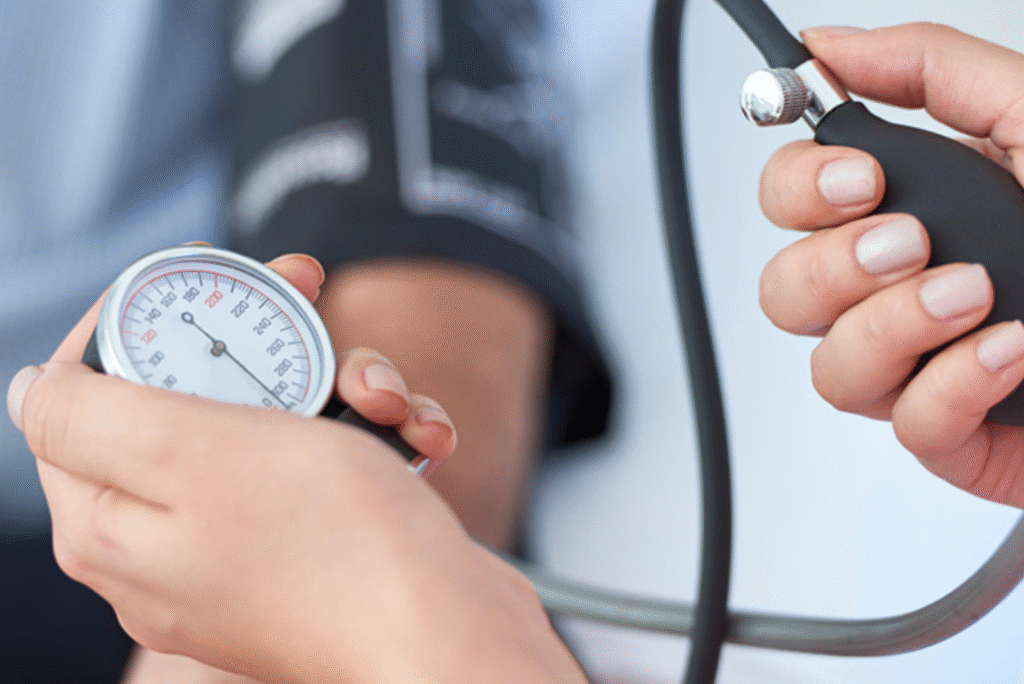
What is Hypertension? Hypertension, also known as high blood pressure, is a common condition that affects millions worldwide. It occurs when the force of blood against the artery walls is consistently too high, leading to potential health complications. Causes of Hypertension Understanding the causes of hypertension is crucial for effective management. Several factors can contribute to high blood pressure: Genetics Family history plays a significant role. If your parents or close relatives have hypertension, you may be at higher risk. Unhealthy Diet A diet high in salt, fat, and cholesterol can increase blood pressure. It’s essential to make hypertension. You are not allowed to do this s to prevent and manage action on the current page!! Lack of Physical Activity Sedentary lifestyles contribute to the development of hypertension. Regular exercise helps maintain healthy blood pressure levels. Excessive Alcohol ConsumptionDrinking too much alcohol can raise blood pressure. Limiting alcohol intake is vital for managing hypertension. Symptoms of Hypertension Hypertension is often called the “silent killer” because it typically has no noticeable symptoms. However, some people may experience: • Headaches • Shortness of breath These symptoms usually occur when blood pressure reaches dangerously high levels. Regular monitoring is crucial for early detection. Effective Management of HypertensionManaging hypertension involves lifestyle changes and, in some cases, medication. Here are some effective strategies: Healthy Eating Adopt a diet rich in fruits, vegetables, whole grains, and lean proteins. The DASH (Dietary Approaches to Stop Hypertension) diet is specifically designed to combat high blood pressure. Regular Exercise You are not allowed to do this action on the current page!! Engage in at least 30 minutes of moderate exercise most days of the week. Activities like walking, jogging, and swimming can help lower blood pressure. Weight Management Maintaining a healthy weight is crucial. Even losing a small amount of weight can significantly impact blood pressure levels. Limit Alcohol and Quit Smoking Reduce alcohol consumption and quit smoking to improve overall heart health and manage hypertension effectively. Stress Management Chronic stress can contribute to high blood pressure. Practice relaxation techniques such as deep breathing, meditation, and yoga to manage stress levels. Monitoring Blood Pressure Regular monitoring helps track your progress and identify any changes in blood pressure. Home blood pressure monitors are convenient tools for keeping tabs on your condition. Medication In some cases, lifestyle changes alone may not be enough. Your doctor may prescribe medication to help control your blood pressure. Always take medications as directed and discuss any side effects with your healthcare provider. Preventing Complications Uncontrolled hypertension can lead to severe complications, including heart disease, stroke, and kidney damage. By managing your blood pressure, you can significantly reduce the risk of these health issues. Conclusion You are not allowed to do this action on the current page!! Hypertension is a manageable condition with the right lifestyle changes and medical interventions. Understanding the causes and symptoms is the first step towards effective management. By adopting healthy habits and staying proactive, you can lead a healthy, fulfilling life while keeping hypertension under control. Always consult with healthcare professionals for personalized advice and treatment plans. Tags: Periodontic Treatments, Periodontics