Expert Thyroid Care at Ekanshi Hospital: Balancing Hormones, Restoring Health
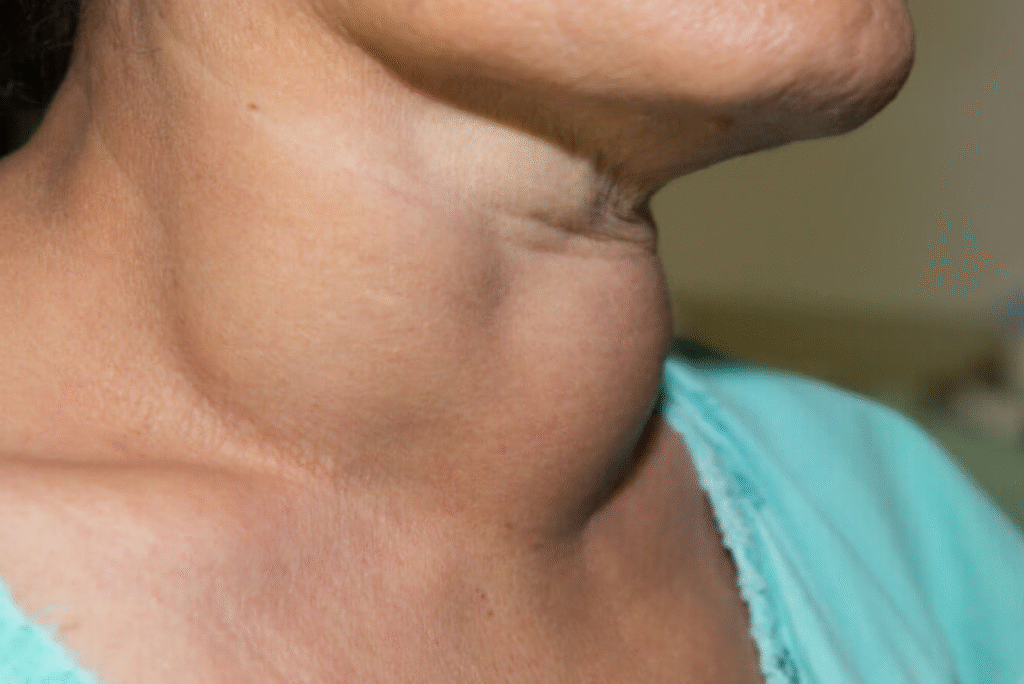
What is Thyroid Disease? Thyroid disease encompasses a range of conditions affecting the thyroid gland, a small, butterfly-shaped gland located at the base of the neck. The thyroid gland produces hormones that regulate metabolism, energy levels, and overall health. Types of Thyroid Disease Thyroid disease can manifest in various forms, primarily hypothyroidism, hyperthyroidism, and thyroid nodules or cancer. Hypothyroidism Hypothyroidism occurs when the thyroid gland does not produce enough thyroid hormones. This can lead to symptoms like fatigue, weight gain, and depression. Hyperthyroidism You, are not allowed to do this: action on the current page!! Hyperthyroidism, on the other hand, occurs when the thyroid produces too much hormone. Symptoms include weight loss, anxiety, and rapid heartbeat. Thyroid Nodules and Cancer Thyroid nodules are lumps that can form within the thyroid gland. While most are benign, some can be cancerous and require medical attention. Symptoms of Thyroid Disease The symptoms of thyroid disease can vary depending on the type and severity. Common signs include: – Fatigue – Weight changes – Mood swings – Hair loss Early detection and treatment are crucial for managing thyroid disease effectively. Causes and Risk Factors Several factors can contribute to the development of thyroid disease, including: Genetics A family history of thyroid disease increases the risk of developing similar conditions. Autoimmune Disorders Conditions like Hashimoto’s thyroiditis and Graves’ disease are autoimmune disorders that directly affect thyroid function Deficiency lodine is essential for thyroid hormone production. A deficiency can lead to thyroid problems. Radiation Exposure Exposure to radiation, especially in the neck area, can increase the risk of thyroid disease. Diagnosing Thyroid Disease Diagnosing thyroid disease typically involves blood tests to measure levels of thyroid hormones (T3 and T4) and thyroid-stimulating hormone (TSH). Imaging tests, such as ultrasound or thyroid scans, may also be used to assess the gland’s structure. Effective Management of Thyroid Disease Managing thyroid disease often involves medication, lifestyle changes, and, in some cases, surgery. Here are some key strategies: Medication Hypothyroidism is usually treated with synthetic thyroid hormone (levothyroxine) to restore normal hormone levels. Hyperthyroidism treatment may involve antithyroid medications, radioactive iodine, or beta-blockers. Healthy Diet A balanced diet supports thyroid health. Include foods rich in iodine, selenium, and zinc, such as seafood, dairy products, nuts, and seeds. Regular Exercise Exercise helps maintain a healthy metabolism and supports overall well-being. Aim for at least 30 minutes of moderate activity most days of the week. Stress Management You are not allowed to do this action on the current page!! Chronic stress can affect thyroid function. Practice stress-reducing techniques like meditation, yoga, or deep-breathing exercises. Monitoring and Follow-Up Regular monitoring of thyroid levels and follow-up appointments with your healthcare provider are essential for managing thyroid disease effectively. Adjustments to medication and lifestyle may be necessary based on test results and symptoms. Living Well with Thyroid Disease Living with thyroid disease requires ongoing management and a proactive approach to health. Here are some tips for maintaining a high quality of life: Stay Informed:Educate yourself about your condition and treatment options. – Build a Support Network: Connect with others who have thyroid disease through support groups or online communities.Managing thyroid disease often involves medication, lifestyle changes, and, in some cases, surgery. Here are some key strategies: Medication Hypothyroidism is usually treated with synthetic thyroid hormone (levothyroxine) to restore normal hormone levels. Hyperthyroidism treatment may involve antithyroid medications, radioactive iodine, or beta-blockers. Healthy Diet A balanced diet supports thyroid health. Include foods rich in iodine, selenium, and zinc, such as seafood, dairy products, nuts, and seeds. Regular Exercise Exercise helps maintain a healthy metabolism and supports overall well-being. Aim for at least 30 minutes of moderate activity most days of the week. Stress Management You are not allowed to do this action on the current page!! Chronic stress can affect thyroid function. Practice stress-reducing techniques like meditation, yoga, or deep-breathing exercises. Monitoring and Follow-Up Regular monitoring of thyroid levels and follow-up appointments with your healthcare provider are essential for managing thyroid disease effectively. Adjustments to medication and lifestyle may be necessary based on test results and symptoms. Living Well with Thyroid Disease Living with thyroid disease requires ongoing management and a proactive approach to health. Here are some tips for maintaining a high quality of life: Stay Informed:Educate yourself about your condition and treatment options. – Build a Support Network: Connect with others who have thyroid disease through support groups or online communities. Conclusion Thyroid disease can significantly impact your life, but with proper management and a healthy lifestyle, you can live well and thrive. Understanding the causes, symptoms, and treatment options is the first step towards effective management. Stay proactive, seek regular medical advice, and make informed choices to optimize your thyroid health. Tags: pedodontics, what are the key aspects of pedodontics
Managing High Blood Pressure The Ekanshi Hospital
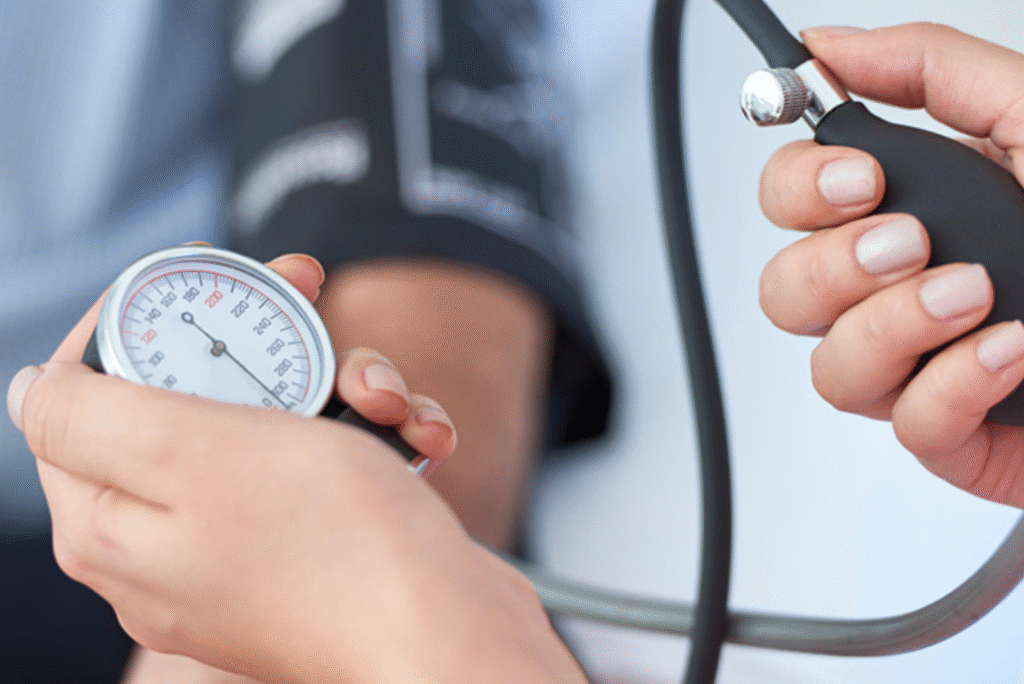
What is Hypertension? Hypertension, also known as high blood pressure, is a common condition that affects millions worldwide. It occurs when the force of blood against the artery walls is consistently too high, leading to potential health complications. Causes of Hypertension Understanding the causes of hypertension is crucial for effective management. Several factors can contribute to high blood pressure: Genetics Family history plays a significant role. If your parents or close relatives have hypertension, you may be at higher risk. Unhealthy Diet A diet high in salt, fat, and cholesterol can increase blood pressure. It’s essential to make hypertension. You are not allowed to do this s to prevent and manage action on the current page!! Lack of Physical Activity Sedentary lifestyles contribute to the development of hypertension. Regular exercise helps maintain healthy blood pressure levels. Excessive Alcohol ConsumptionDrinking too much alcohol can raise blood pressure. Limiting alcohol intake is vital for managing hypertension. Symptoms of Hypertension Hypertension is often called the “silent killer” because it typically has no noticeable symptoms. However, some people may experience: • Headaches • Shortness of breath These symptoms usually occur when blood pressure reaches dangerously high levels. Regular monitoring is crucial for early detection. Effective Management of HypertensionManaging hypertension involves lifestyle changes and, in some cases, medication. Here are some effective strategies: Healthy Eating Adopt a diet rich in fruits, vegetables, whole grains, and lean proteins. The DASH (Dietary Approaches to Stop Hypertension) diet is specifically designed to combat high blood pressure. Regular Exercise You are not allowed to do this action on the current page!! Engage in at least 30 minutes of moderate exercise most days of the week. Activities like walking, jogging, and swimming can help lower blood pressure. Weight Management Maintaining a healthy weight is crucial. Even losing a small amount of weight can significantly impact blood pressure levels. Limit Alcohol and Quit Smoking Reduce alcohol consumption and quit smoking to improve overall heart health and manage hypertension effectively. Stress Management Chronic stress can contribute to high blood pressure. Practice relaxation techniques such as deep breathing, meditation, and yoga to manage stress levels. Monitoring Blood Pressure Regular monitoring helps track your progress and identify any changes in blood pressure. Home blood pressure monitors are convenient tools for keeping tabs on your condition. Medication In some cases, lifestyle changes alone may not be enough. Your doctor may prescribe medication to help control your blood pressure. Always take medications as directed and discuss any side effects with your healthcare provider. Preventing Complications Uncontrolled hypertension can lead to severe complications, including heart disease, stroke, and kidney damage. By managing your blood pressure, you can significantly reduce the risk of these health issues. Conclusion You are not allowed to do this action on the current page!! Hypertension is a manageable condition with the right lifestyle changes and medical interventions. Understanding the causes and symptoms is the first step towards effective management. By adopting healthy habits and staying proactive, you can lead a healthy, fulfilling life while keeping hypertension under control. Always consult with healthcare professionals for personalized advice and treatment plans. Tags: Periodontic Treatments, Periodontics